Can You Still Swim In The Great Barrier Reef From Green Island?
Yes, you can still swim in the Great Barrier Reef from Green Island. Here is how swimming works on the island, the flagged area, stinger season, and what reef science says right now.
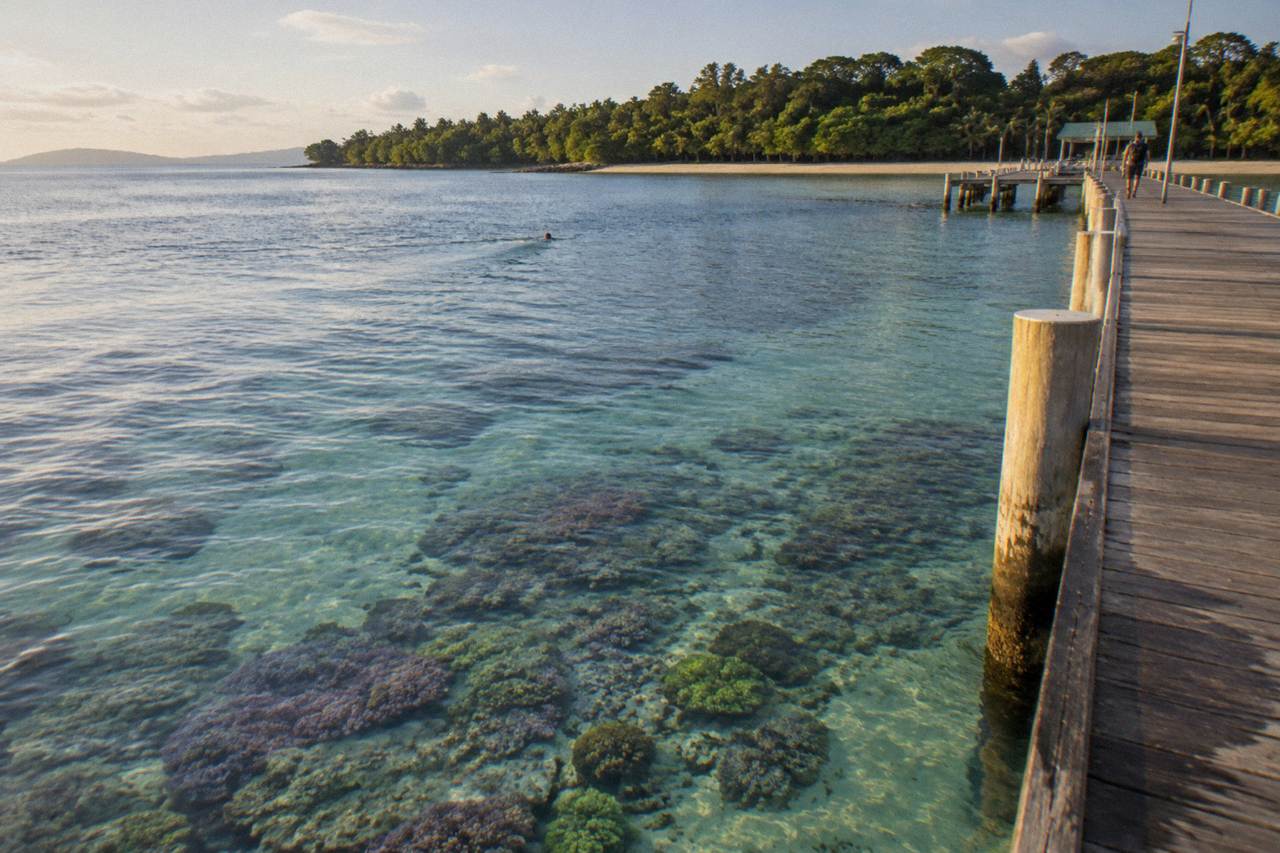
The question arrives in search bars thousands of times a year, usually after someone reads a headline about bleaching. The short version: the Great Barrier Reef is open, swimming is a normal, everyday activity on it, and Green Island, 27 km offshore from Cairns, is one of the simplest places in Queensland to do it. Queensland Parks describes Green Island as a rainforest cay built entirely by coral, with seagrass beds and coral reef right off the beach, and the island's whole tourism economy rests on people getting in the water. What deserves care is not whether you can swim, but where, when, and how the reef itself is faring, which is a question scientists answer with real numbers each year. This article works through all of it, from the flagged swimming area to the stinger calendar to the boats that put you there. For a straight answer on what the bleaching headlines actually mean for the coral you will be snorkelling over, read our plain-language guide to whether the Great Barrier Reef is really dying.
Can You Still Swim In The Great Barrier Reef From Green Island?
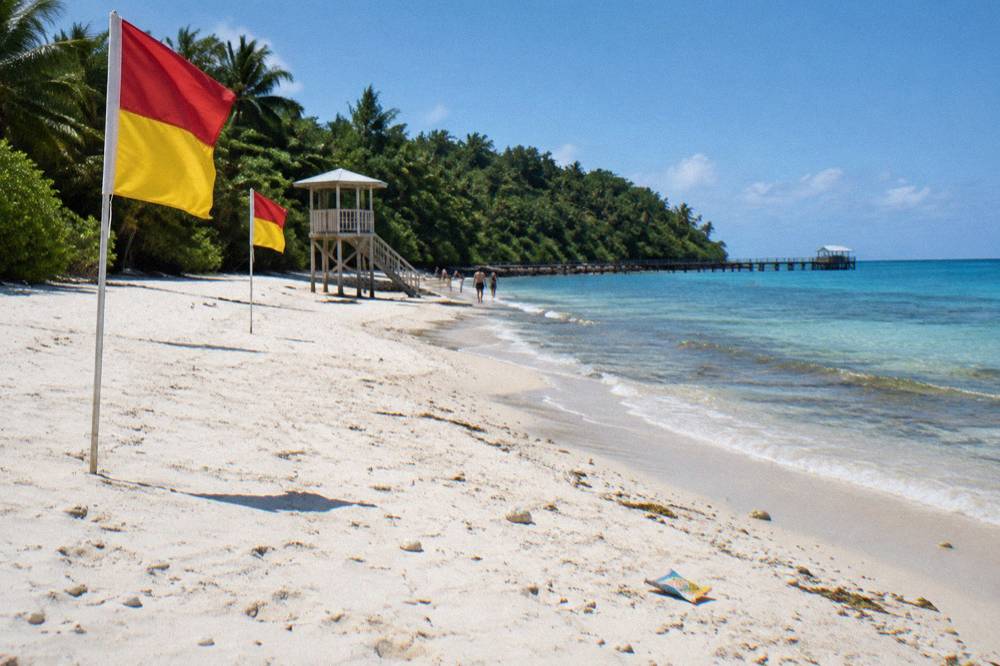
Yes, swimming on the Great Barrier Reef from Green Island is a normal, everyday activity, and nothing about the reef's condition has closed it. The island sits 27 km offshore from Cairns inside the Great Barrier Reef Marine Park, with coral and seagrass directly off the beach. The catch is seasonal, not existential: stingers are a concern from November to June, and Queensland Parks says to swim between the red and yellow flags. If stinger season has you rethinking your travel dates, our best month to visit the Great Barrier Reef from Cairns guide lines up weather patterns, stinger calendars, and current reef conditions so you can pick your timing with confidence.
The word "still" in the question carries a lot of baggage. It assumes a decline story, and there is a real one to tell, but it is more nuanced than a closed reef. The Australian Institute of Marine Science surveys coral cover across the whole reef every year, and its 2025/26 report, released in August 2026, found hard coral cover in the Northern region at 35.1 percent, up from 30.0 percent the year before and above the long-term average of 27.0 percent. The Central region, which takes in the Cairns and Green Island vicinity, sat at 31.6 percent, also above its long-term average. Those are regional figures, not a Green Island measurement, and no official Green Island-specific snorkel reef survey exists. But the trajectory is recovery, not collapse. Coral cover is only part of the picture, and the worst months to visit Cairns covers the weather side of planning a reef day.
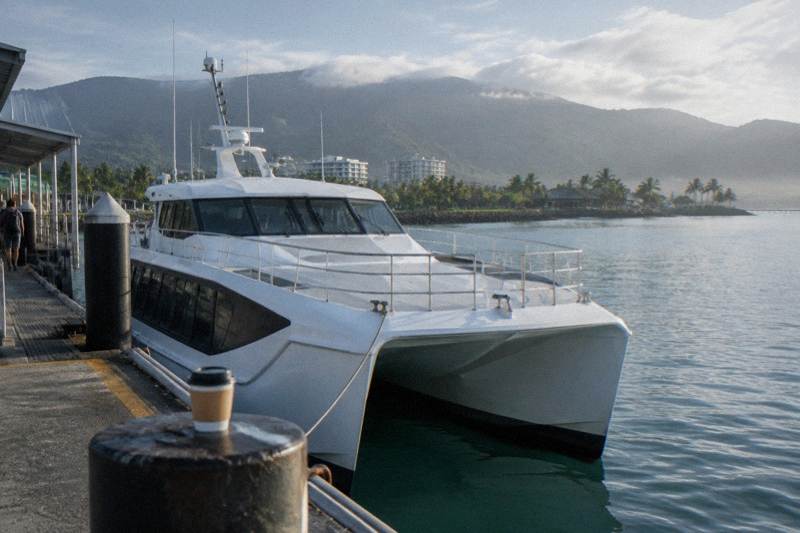
None of that changes the practical answer. Ferries run daily. Snorkellers get in the water daily. The Great Adventures catamaran carries day visitors from the Reef Fleet Terminal to the island in roughly 45 minutes, the Big Cat boats do the same from Marlin Wharf, and both operate swimming-based trips year round. The swimming experience has rules around it, which we cover below, and a seasonal risk, stingers, which has a straightforward mitigation: a lycra stinger suit. What it does not have is an existential barrier.
Where Does Swimming Actually Happen On Green Island?
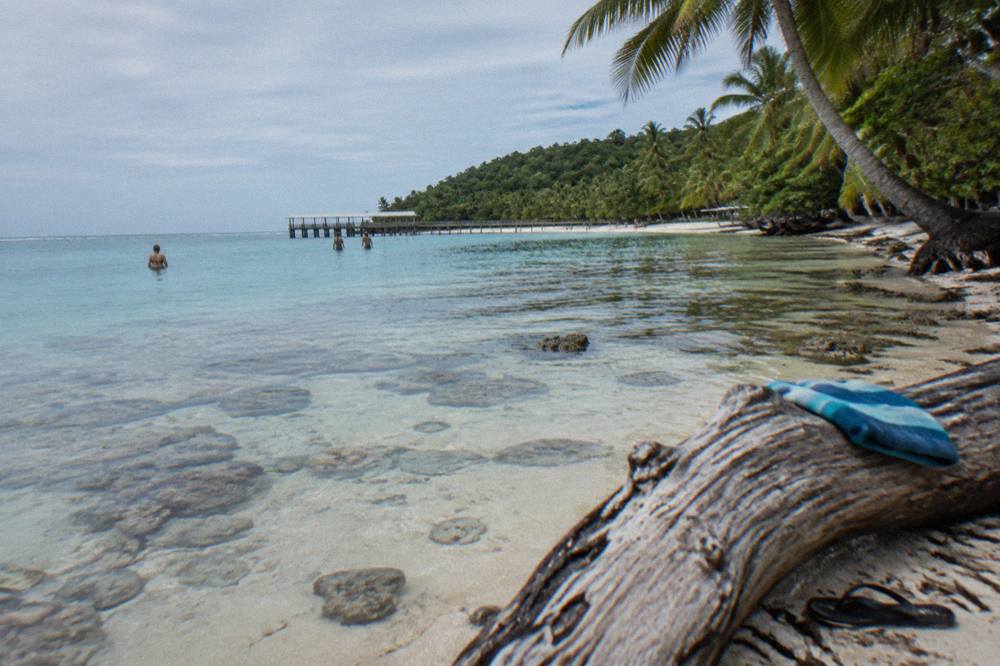
Swimming on Green Island happens straight off the beach into the fringing reef, with Queensland Parks directing snorkellers to the water between the red and yellow flags. There is no pool-entry pontoon or artificial lagoon: you walk in from the sand. Coral bommies and seagrass beds sit close to shore, and turtles live and feed in the seagrass, according to the Queensland Parks guide for the island.
The island is unusual among reef destinations precisely because the reef starts at the sand. On an outer reef pontoon trip you descend a platform into deep water; on Green Island you wade in from the beach and the coral and seagrass are within a short swim. Queensland Parks' discovery guide for the national park is explicit about the arrangement: the marine park around the island is no-take, you must never touch or take plants or animals from land or sea, feeding wildlife is prohibited, and snorkelling happens between the flags. The flagged area exists because the island is a patrolled swimming location, and the patrol zone is the sensible place for families and less confident swimmers to stay.
Around the flagged water, the rest of the island supports the swimming day. Showers and toilets sit near the beach, beach hire operates to the left of the jetty, and the walking tracks that ring the national park, the 1.5 km beach walk, the 1.3 km boardwalk and the short jetty walk, give non-swimmers a full day out. Visitors who want a swim but not a snorkel can simply stay in the shallows; visitors who want the full reef view without getting wet can take the glass-bottom boat or semi-submersible, both of which we come to later in this article.
If you are weighing Green Island against other swimming options from Cairns, the island versus outer reef comparison works through the trade-offs in detail. The one-line version: Green Island trades the deep-water clarity of a pontoon day for convenience, shallow access and a beach to rest on, and the two experiences genuinely suit different travellers.
The three most booked ways to get a swimming day on the island, at three price points:
What Does Reef Science Actually Say About Swimming Conditions?
The latest official science points to a reef in recovery, not in shutdown. The AIMS 2025/26 survey recorded Northern region hard coral cover at 35.1 percent, above the 27.0 percent long-term average, and GBRMPA reported sea surface temperatures close to average through August, with no active bleaching alerts on the reef's virtual stations at the start of October 2026.
It helps to be precise about what the monitoring does and does not measure. The AIMS Long-Term Monitoring Program surveys more than a hundred reefs across the Northern, Central and Southern regions each year and reports regional averages. Green Island itself has no dedicated public condition survey, so the honest statement is regional: the Central region, which includes the Cairns stretch, improved from 28.6 percent to 31.6 percent hard coral cover in the latest report. That is a measured, published figure, and it runs directly against the "dead reef" framing that produces this article's question.
The summer of 2025/26 did deliver real pressures, and an honest page names them. GBRMPA's end-of-summer snapshot recorded a regional coral bleaching event in the Northern region that became apparent in March 2026 after prolonged heat, and Severe Tropical Cyclone Narelle crossed the Far Northern region the same month, with wave damage reported on reefs between Cairns and Lizard Island. The AIMS report notes that a late-summer monsoon limited the severity of heat stress, and that most surveyed reefs held steady or improved. The GBRMPA reef health updates since then show sea surface temperatures close to average through August, with the Northern region 0.1 to 0.3 degrees above, and forecasts of similar conditions into spring.
For a swimmer, none of this changes whether you can get in the water. It changes what you might see: a reef that carries signs of a hard summer alongside genuine recovery, which is what a living system in a warming ocean looks like. Anyone framing the reef as either pristine or dead is selling a simpler story than the data supports.
Is It Safe To Swim And Snorkel At Green Island?
For most swimmers, yes, with ordinary precautions: swim between the flags, wear a stinger suit in the warmer months, and follow the no-touch, no-feed rules of the marine park. Queensland Parks lists marine stingers, sun and tides as the island's main hazards. Crocodiles are not a practical concern at an offshore cay, and no specific 2026 crocodile warnings exist for Green Island.
The flagged swimming area does most of the safety work. It puts you inside a patrolled zone, away from boat traffic, with lifeguards or patrol coverage during operating hours. The national park rules handle the rest: stay on the tracks on land, do not touch coral or animals, do not chase or feed wildlife, and leave everything where it is. Sun protection is a genuine issue in the tropics, more so than most visitors expect, and the shade of the rainforest boardwalk is a five minute walk from the beach. Other pages covering the same trip are gathered on Green Island Great Barrier Reef Tours.
Water confidence matters more than swimming ability in the classic sense. The snorkelling off Green Island is shallow and calm on a normal day, which is exactly why families choose it, but it is still open water, and tide and wind change the experience day to day. If you are unsure in the water, a flotation vest or a guided option removes most of the worry; the safety questions around snorkelling at Green Island get a full treatment in their own article. The one thing this page will not do is promise a sighting or a condition: turtles are commonly described near the jetty and seagrass, but they are wild animals, and a quiet day is always possible.
The table below sets the island's real hazards against the plain mitigation for each.
| Hazard | What the official guidance says | Plain mitigation |
|---|---|---|
| Marine stingers | Cairns Regional Council flags November to June as the season; Queensland Parks says stingers may be present in any month | Wear a stinger suit, swim between the flags |
| Sun and heat | Queensland Parks lists sun exposure among the island's hazards | Shade, sunscreen, hydration, midday break in the rainforest |
| Tides and currents | Queensland Parks lists tides among the hazards | Stay in the patrolled area, check conditions on the day |
| Sharp coral and stonefish | No-touch rules protect both reef and swimmer | Reef shoes or care walking in, never stand on coral |
| Crocodiles | No specific 2026 warnings for the offshore cay | General Far North Queensland caution, as with any tropical water |
When Is Stinger Season And Does It Stop Swimming?
Stinger season around Cairns runs from November to June, with Cairns Regional Council advising a stinger suit throughout, and Queensland Parks warning that marine stingers may be present in coastal waters in any month. It does not stop swimming: it changes what you wear. A full-body lycra stinger suit, supplied or hireable on tours that state it, is the standard mitigation.
The season is the single biggest fact a swimming plan needs, and it is the one visitors most often miss. The box jellyfish and Irukandji risk in Far North Queensland peaks in the warmer months, which is why the council's guidance is blunt about suits between November and June. It is equally honest to say the risk is seasonal rather than absolute: stingers can appear in any month, which is why operators keep suits available outside the peak too. The stinger season guide for Cairns covers suits, flags and first aid in full.
On the tours, the suit situation varies from one option to the next, so read what each tour states. The Big Cat full day, from A$110 per person and rated 4.5 from 1,727 reviews, includes your choice of snorkel gear or the glass-bottom boat and sells safety gear as part of the package. The Great Adventures fares include snorkel hire from the Eco Tour fare upward, with lycra suits among the operator's island extras. The Ocean Free schooner, a 9 hour small-group sailing day from A$289 per person rated 4.9 from 682 reviews, states it supplies wetsuits, lycra suits and buoyancy vests as part of its snorkelling gear, one of the more complete inclusions among the Green Island tours compared here.
That sailing day with optional diving deserves a sentence of its own for swimmers, because it is the one that treats the swim as the point of the trip rather than one island activity among many.
Beyond suits, the season changes almost nothing about a Green Island day. The boats still run, the glass-bottom boat still works perfectly for anyone who would rather not suit up, and the island's patrolled swimming area remains the default venue. A stinger suit is a mild inconvenience, roughly like wearing a rashie, and it is the difference between a nervous swim and a relaxed one for most of the year.
Can You Experience The Reef Without Swimming?
Yes, and Green Island is arguably the best swimming destination in the Cairns region for people who never get wet. The glass-bottom boat and the semi-submersible both run from the island, the Seawalker helmet dive walks you on the seafloor with your head dry, and the island's boardwalk and crocodile park fill the rest of the day.
The glass-bottom boat is the classic, included or bookable across most of the Big Cat and Great Adventures fares, and the semi-submersible takes the idea further with seated viewing below the waterline. Both drift over the same coral and seagrass the snorkellers are exploring metres away. For something more immersive without swimming, the Seawalker helmet dive, from A$289 per person on a 7 hour Great Adventures day rated 4.1 from 98 reviews, puts a helmet on your shoulders and walks you along the bottom breathing normally, no swimming ability required. Of all the Green Island tours compared here, it is the clearest answer to the question of whether a non-swimmer can still meet the reef up close.
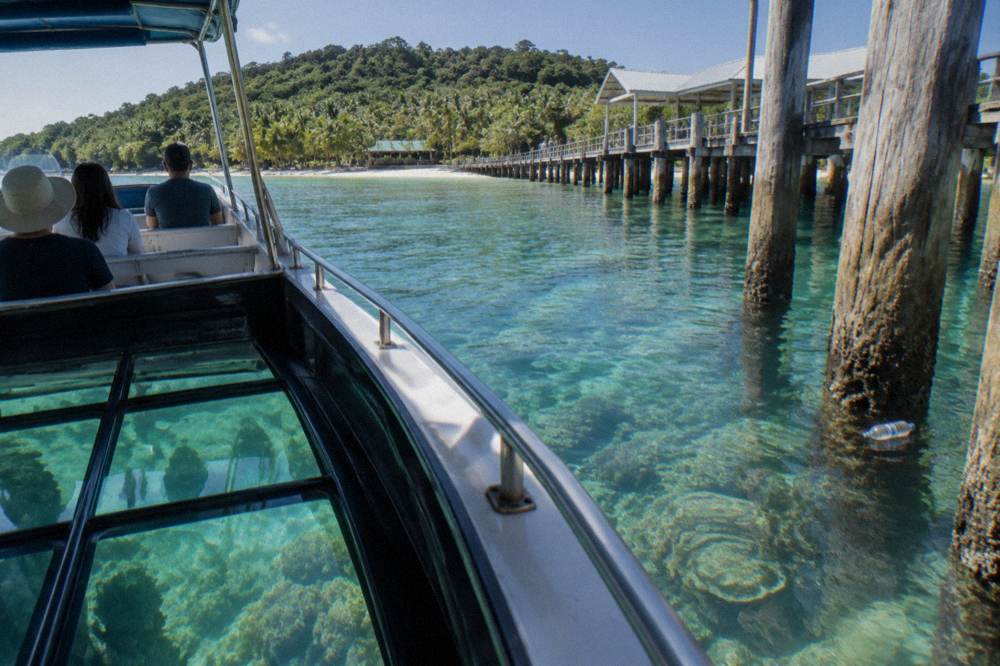
On land, Marineland Melanesia, open daily from 9am to 4pm except Christmas Day with crocodile shows at 10.30am and 1.30pm, sits a five minute stroll from the jetty, and the national park's three walking tracks are all graded easy. A mixed group of swimmers and non-swimmers can genuinely spend a full day on the island without anyone compromise-feeling their way through it, which is a large part of why the question of whether Green Island is worth it usually resolves to yes for families.
Which Green Island Tour Suits A Swimming Day?
Match the tour to how central the swim is. For a flexible beach-and-snorkel day, the Great Adventures catamaran at from A$112 per person or the Big Cat full day at from A$110 per person both work; for a swimming-first small-group day, the Ocean Free schooner at from A$289; for deep-water reef swimming, the Moore Reef pontoon combo at from A$312.
The two big-boat full days are closer than their marketing suggests, and the differences are departure point, timetable and inclusions rather than the island itself. The Great Adventures tour, rated 4.4 from 1,933 reviews, is the most reviewed of the Green Island tours compared here and includes morning tea, a marine biologist reef talk and island walk exclusive to its passengers, with a choice of glass-bottom boat or snorkel gear in the fare. The Big Cat full day, rated 4.5 from 1,727 reviews, sits at the same price floor with the same snorkel-or-glass-bottom choice, and offers bookable semi-submarine and lunch options. Half days exist in both fleets if your sea legs or schedule are short.
| Tour | From price | Rating and reviews | What the listing includes for swimmers |
|---|---|---|---|
| Great Adventures catamaran, full or half day | A$112 pp | 4.4 from 1,933 reviews | Choice of snorkel gear or glass-bottom boat in fare, marine biologist reef talk |
| Big Cat full day | A$110 pp | 4.5 from 1,727 reviews | Snorkelling or glass-bottom boat, safety gear, semi-sub option |
| Ocean Free schooner sailing day | A$289 pp | 4.9 from 682 reviews | Full snorkel gear incl. wetsuits and lycra suits, crew in-water assistance, lunch and wine on return |
| Green Island and Moore Reef pontoon combo | A$312 pp | 4.6 from 98 reviews | 2 hours on Green Island with snorkel gear, 3 hours outer reef platform, buffet lunch |
| Seawalker helmet dive day | A$289 pp | 4.1 from 98 reviews | Helmet dive with no swimming needed, snorkel or glass-bottom boat choice |
The Green Island & Outer Reef pontoon combo answers the question this page asks more fully than any other single day out: two hours swimming off Green Island, then three hours at an outer reef activity platform, with snorkel gear, buoyancy vests and lycra suits all included, plus a hot and cold buffet lunch with fresh prawns. It costs the most of the standard options. It is also the only tour compared here that puts the easy island swim and the deep-water reef on a single ticket.
All the tour links in this article lead to the operators' booking pages, where Check availability shows current dates, and the Great Adventures cruise page on this site has the full fare breakdown. Every listing in the comparison above states free cancellation.
Common Questions About Swimming At Green Island
Can You Still Swim In The Great Barrier Reef From Green Island?
Yes. Swimming on the reef from Green Island is a normal daily activity, with snorkelling straight off the beach between the red and yellow flags. The seasonal condition is stingers from November to June, managed with a lycra stinger suit, and the latest reef monitoring shows recovering coral cover in the region rather than a closed or dying reef.
Is the water at Green Island safe for children?
The patrolled swimming area is the standard venue for families, and the shallow, calm water off the beach is why many choose the island over a pontoon day. Children should stay between the flags, wear a stinger suit in season and follow the no-touch rules that protect both them and the reef.
Do I need a stinger suit to swim at Green Island?
Cairns Regional Council advises a stinger suit from November to June, and Queensland Parks notes stingers may be present in any month. In practice, suits are the default on reef trips through the warmer half of the year, and tours that supply them state it in their inclusions.
Can non-swimmers see the reef at Green Island?
Yes. The glass-bottom boat and semi-submersible run from the island, and the Seawalker helmet dive walks non-swimmers along the seafloor with a helmet keeping their head dry. The boardwalk, beach walk and Marineland Melanesia round out a dry day.
Is the coral at Green Island dead?
No official Green Island-specific survey exists, so the honest answer is regional. AIMS measured Central region hard coral cover at 31.6 percent in 2026, up from 28.6 percent and above the long-term average, following a regional bleaching event in March 2026. The reef there is living, pressured and recovering.
When is the best time of year to swim at Green Island?
The dry season months from roughly May to October bring lower rainfall and cooler air temperatures, while stinger season runs November to June. Swimming happens year round with a suit; the choice is between warmer, clearer-skied dry season days and quieter wet season ones.