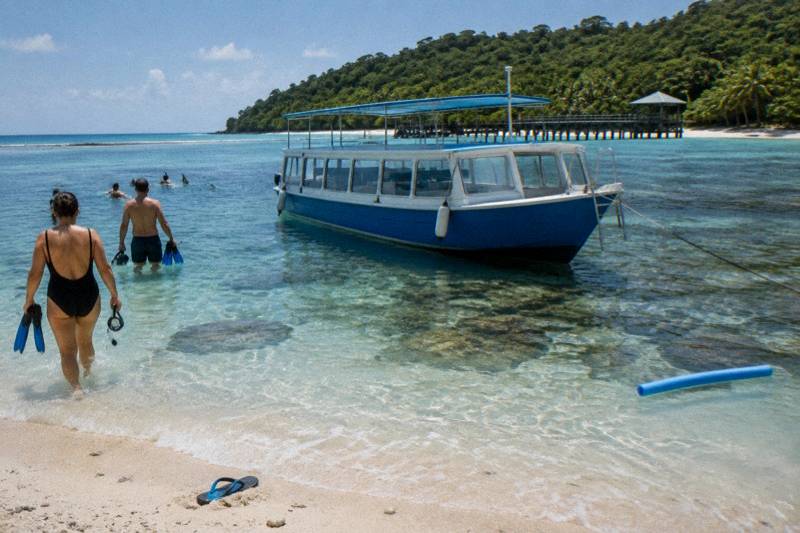
Does Green Island Have Good Snorkelling?
A verdict on Green Island snorkelling from Cairns: what the island's reef flat offers, where to swim, what it costs, and when the outer reef is the better call.
Does Green Island Have Good Snorkelling?
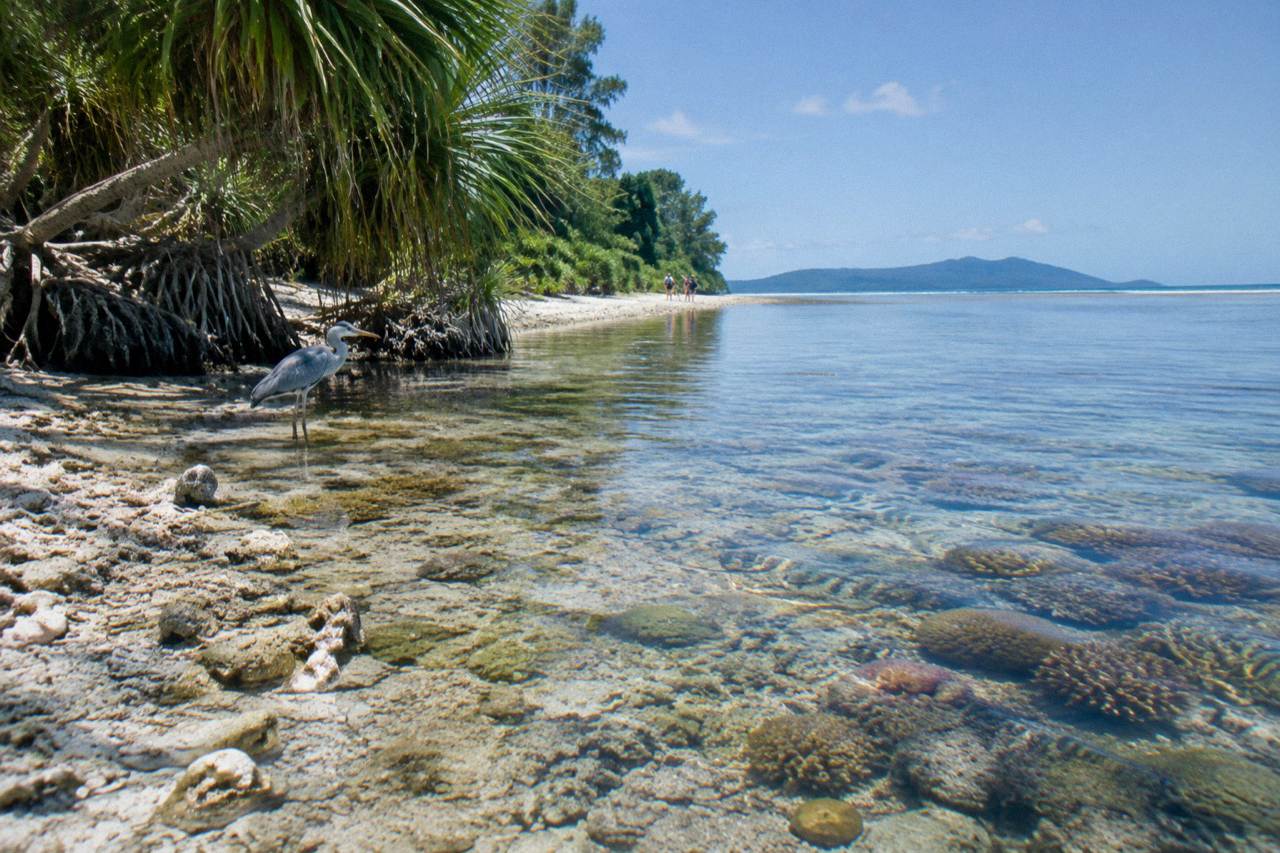
Yes, good rather than world-class, and good in a way very few places this close to a major city manage: Green Island sits 27 km offshore from Cairns on its own coral cay, ringed by reef flat and seagrass, so you can walk off the beach into water holding coral bommies, tropical fish and the turtles Queensland Parks says live and feed in the seagrass. It is not the outer reef wall: the coral is patchy, the water is shallower, and clarity swings with tide and weather rather than holding steady all day.
That is the honest starting point, and it is why the answer has conditions. The island is the only place on this stretch of coast where a coral cay, a rainforest and a snorkel zone share one walkable footprint, and the crossing from Cairns takes about 45 minutes on the Great Adventures catamaran or the Big Cat boats. Compare that with 90 minutes to the Moore Reef pontoon and the appeal is obvious: maximum water time for minimum travel. The full Green Island snorkelling guide carries the complete spot-by-spot breakdown, and the comparison of Cairns island versus outer reef snorkelling covers the strategic question this article keeps returning to.
What the snorkelling is not is an aquarium on demand. Green turtles are described as commonly sighted near the jetty and the seagrass beds by Queensland tourism bodies and the resort, but any given day can be quiet, and no operator promises a sighting. Reef health is a regional story, not an island measurement: the Australian Institute of Marine Science reported Northern Great Barrier Reef hard coral cover of 35.1% in its 2025/26 survey, up from 30.0% the year before, which is the encouraging backdrop without telling you what the bommie in front of you looks like on Tuesday. For most visitors the practical decision is which boat puts them in that water, and the three below are the strongest options for a snorkelling-focused day.
The Discovery fare from Great Adventures, rated 4.2 from 410 reviews and from A$156 per person, builds both the snorkel gear and the glass bottom boat into the ticket. The Big Cat full day, 4.5 from 1,727 reviews and from A$110, is the cheaper way onto the water with a snorkel-or-glass-bottom choice. The Ocean Free schooner trip, 4.8 from 413 reviews and from A$289, takes a small group out on a sailing boat with crew in the water with you. Three different answers to the same question.
What Is The Snorkelling Actually Like Off The Beach?
Snorkelling off the beach here is shallow, sheltered and immediately rewarding, with coral bommies and fish starting within a short swim of the sand. Rather than needing a boat offshore, the whole experience is watched over by lifeguards in a flagged zone, so you can simply walk in from the beach and start exploring. The island's designated snorkel area is the patrolled swimming zone between the red and yellow flags, where Queensland Parks directs snorkellers, and the seagrass beds and bommies fan out from there. Fish life is the reliable draw, and depth is modest for much of the zone, which makes the water comfortable for beginners and children alike.
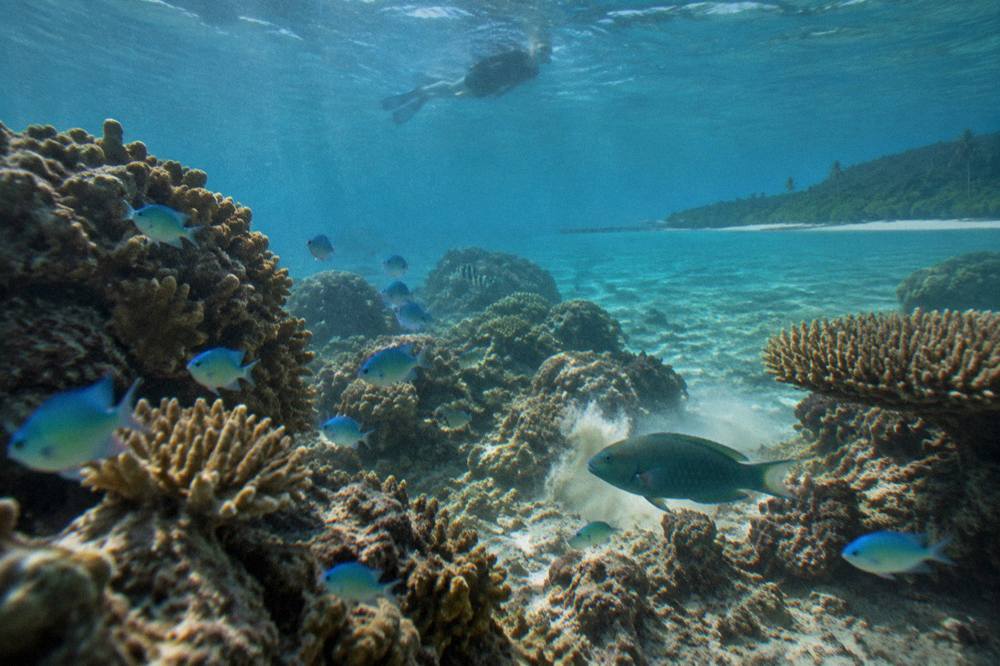
Parrotfish, butterflyfish, damselfish and wrasse work the coral heads through the day, and rays and reef sharks appear in guest reviews often enough that they should not shock anyone who meets one. The shallow gradient means weak swimmers can stand up in places, nervous snorkellers can stay within arm's reach of the sand, and children can graduate from wading to floating within the same afternoon. It is, in the most literal sense, easy water, and that ease is the island's signature rather than a limitation.
The honest caveat is visibility. No official source publishes underwater clarity figures for Green Island by month, and this site will not invent them. What can be said plainly: conditions vary with tide, wind and recent weather, dry-season days are often the clearest, and a wet-season afternoon after rain can drop the water to a green murk. Visibility swings from "crystal clear" to "cloudy" depending on the day, sometimes in the same week. If clear water is the whole point of your day, build in flexibility rather than betting one date.
The second caveat is coral type. This is an inshore reef flat, which means coral bommies separated by sand and seagrass rather than a continuous wall. That structure suits turtles and rays, and it is genuinely easy snorkelling, but a visitor who has swum the outer ribbon reefs will notice the difference in scale and coral density. For a first snorkel, a family day or a short trip from Cairns, that trade is usually worth it. For a certified diver or someone chasing dense hard coral, the outer reef pontoon combo adds three hours on a Moore Reef platform to two hours on Green Island, from A$312 per person. However you split your day between the island and the outer reef, what you wear in the water matters too, and the guide to colours and clothing for Green Island snorkelling explains which shades to leave behind and which Cairns tours include stinger suits and rash vests.
Does that leave enough time in the water on a standard day trip? That is the question worth settling before you book.
Should You Book The Snorkel-Forward Option?
The cheapest tickets treat snorkel gear as an add-on, and the difference between fare tiers is often just that. The Great Adventures ferry-transfer fare from A$112 gets you to the island; the Discovery fare from A$156 gets you there with mask, snorkel, fins and a glass bottom boat tour already paid for. Since the operator prices snorkel hire at A$32 as a walk-up extra, the bundled fare saves money and removes a queue. The Big Cat fares from A$110 follow the same logic: pick the option that includes gear, not the bare cruise.
Every Green Island tour compared here carries free cancellation, so the practical risk in deciding early is low. Check the weather the day before, keep the date movable if you can, and the snorkelling decision becomes about comfort rather than commitment.
Where Are The Best Spots To Snorkel On Green Island?
The flagged swimming zone off the main beach is the designated snorkel area and the safest default, while the jetty end, where the seagrass beds sit, is the local favourite for turtle encounters both from the planks and in the water. Queensland Parks' island guide is explicit that snorkelling happens between the red and yellow flags, so that is where lifeguards expect swimmers to be. Around and beyond the jetty, the seagrass that holds the turtles lies close enough to shore that many visitors watch the water before they ever get wet.
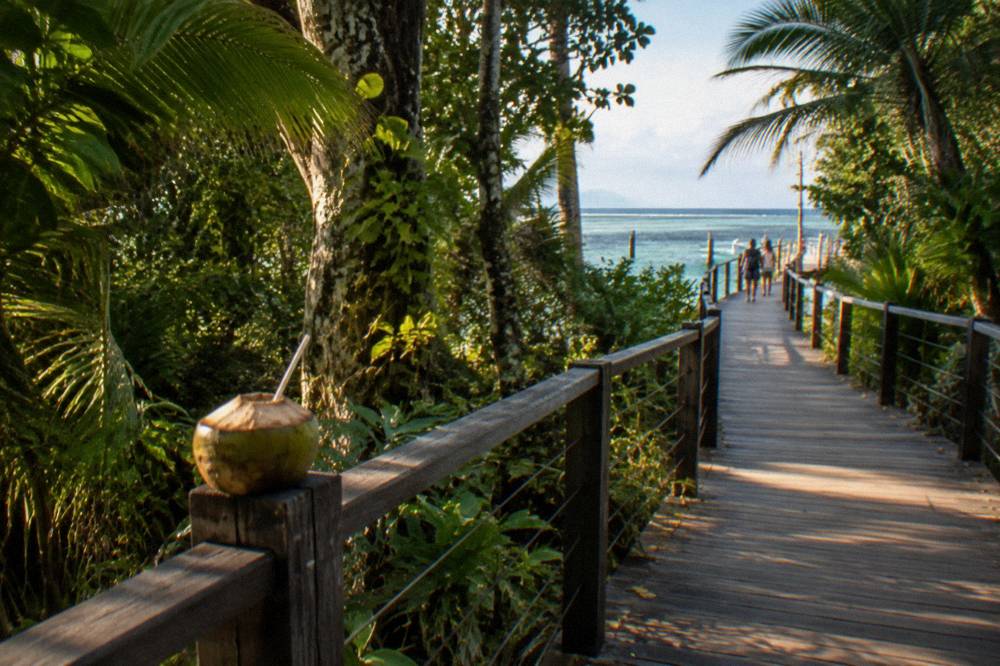
The island's compactness is the hidden advantage. The beach walk is a 1.5 km circuit allowing an hour, the boardwalk is 1.3 km return allowing 50 minutes, and the jetty walk is 500 m return allowing 30 minutes, all graded easy. A full day gives you time to snorkel the flags, walk the circuit, and still sit down for lunch. A half day, like the Big Cat morning or afternoon options, both from A$110 for about four hours, forces a choice: water first, everything else after.
Two sets of rules shape where you can and cannot swim or step. Green Island's surrounding waters sit inside the Great Barrier Reef Marine Park with no-take zones, and the Queensland Parks discovery guide states the rules plainly: never touch or take plants or animals from land or sea, no feeding wildlife, stay on the tracks, and no drones on the island. The Queensland Parks island guide carries the full text. The GBRMPA responsible reef practices page sets the marine-park behaviour standards, including keep-clear distances from wildlife. Snorkelling here is a privilege with a rulebook attached, and the rulebook is short enough to learn on the boat ride over.
The spots worth knowing, then, are few, which is part of the island's charm:
| Spot | What it is | Best for |
|---|---|---|
| Flagged swimming zone | Patrolled snorkel area off the main beach | Families, first-timers, the safe default |
| Jetty and seagrass beds | Feeding ground for turtles, close to shore | Turtle watching from the planks or in the water |
| Coral bommies off the beach | Patch reefs with tropical fish | Fish life and photography in shallow water |
Snorkel Gear, Stinger Suits And Safety
Snorkel gear can be hired on the island for A$32, but most of the better fares already bundle it into the ticket, so it pays to know what your fare covers. Stinger suits are a seasonal question, and it is one you should settle before you swim rather than debating it on the sand. The operator prices snorkel hire and glass-bottom boat rides identically, so the economics favour a fare that includes gear, as the Discovery ticket does. Wetsuit and lycra suit supply varies by listing: the Ocean Free sailing trips list wetsuits, lycra suits and buoyancy vests among their included gear, while the standard day-cruise listings are silent on suits, so check the booking page if stinger protection matters to you.
Stinger season is the one safety item with a firm official shape. Cairns Regional Council describes marine stingers as of particular concern between November and June and advises wearing a stinger suit in those months, while Queensland Parks' warning for the island notes stingers may be present in coastal waters at any time but occur more frequently in the warmer months. There is no stinger-free month, and any article promising one is guessing. Outside the warmer months most snorkellers go without a suit; inside them, a suit is cheap insurance and the patrolled flags are the place to be.
The rest of the safety picture is ordinary beach competence. Swim between the flags, take the snorkel demonstration the Big Cat half-day listings include, watch children in the shallows, and respect sun exposure, which in Tropical North Queensland is a bigger practical risk than anything in the water. If you are prone to seasickness, the 45-minute crossing is short but can still bite; the site's piece on avoiding seasickness on a Green Island cruise covers the tactics. Crocodiles, a common worry for first-time visitors, are not a practical concern at an offshore cay 27 km out, and Queensland Parks' visiting safely page for the island focuses on stingers, sun, tides and coral rather than crocs.
For nervous swimmers and non-swimmers the island still delivers the reef. The glass bottom boat and the semi-submersible tours show the coral and fish without a swim, and the Seawalker helmet dive, from A$289 as a full package with cruise and snorkel or glass-bottom choice, walks you along the bottom breathing normally. The site's guide to the glass bottom boat and semi-submarine compares those options in full.
Green Island Or The Outer Reef: Which Should You Choose?
Choose Green Island for convenience, first-timers, families and combined beach-plus-reef days; choose the outer reef for denser coral structure, deeper water and a full-on platform day, and be honest about which of those two days you are actually booking. The outer reef platforms sit about 90 minutes from Cairns against Green Island's 45, and they moor over reef that generally offers richer coral than an inshore cay flat. Sunlover's Moore Reef pontoon, for instance, promises around four hours at the reef with an underwater observatory and waterslide alongside the snorkelling. The trade is time, cost and flexibility. If you're still weighing that trade against the price of a day trip, our honest verdict on whether Green Island is worth it from Cairns covers exactly who the island suits and who should book the pontoon instead.
| Factor | Green Island day cruise | Outer reef pontoon day |
|---|---|---|
| Crossing from Cairns | About 45 minutes | About 90 minutes |
| Snorkelling | Reef flat off the beach, flagged zone | Deeper water off a platform |
| Beyond the water | Rainforest walks, resort pool, Marineland, cafes | Pontoon attractions, buffet lunch |
| Cheapest listed adult fare | From A$110 per person | Pontoon combo from A$312 per person |
| Best suited to | Families, short stays, first snorkels | Coral-focused visitors, repeat reef trippers |
| Half-day possible | Yes, from A$110 for about 4 hours | No, full-day format |
The middle path is the combo. The Green Island and outer reef pontoon day from Great Adventures, rated 4.6 from 98 reviews, spends two hours on Green Island with snorkel equipment included and three hours on an Outer Reef activity platform, with a hot and cold buffet lunch and prawns, from A$312 per person. It answers this article's question with "both", and it does so in a single 8-hour day from the Reef Fleet Terminal.
For strong swimmers who want more than a float, there is also the diving route. The Big Cat full day with diving, from A$250 per person, includes scuba equipment, though with only 10 reviews on its listing so far it is a smaller review pool than any cruise option. The Ocean Free sailing trip with dive options, 4.8 from 413 reviews, lets certified and first-time divers add one or two dives to a small-group schooner day.
Snorkelling itself, though, remains the discipline Green Island serves best: easy entry, shallow water, turtles in the seagrass, and a boat home in under an hour. As Green Island Great Barrier Reef Tours lays out in its homepage comparison, the real question is rarely whether the snorkelling is good, it is which ticket shape fits your day.
Which Tour Gives You The Most Snorkelling Time?
The Ocean Free schooner days maximise structured, guided water time; the Big Cat full day hands you up to about 5.5 free hours on the island to spend entirely in the flags; and the Discovery fare balances the two with gear already in the ticket. The Ocean Free sailing trip runs about 9 hours with a marine naturalist, snorkel tours, all gear including wetsuits, and crew in the water assisting. At 4.8 from 413 reviews it has among the strongest review standing of the Green Island tours compared here for a water-focused day.
The Big Cat full day, 8 hours from A$110, is the freedom option: once the boat ties up, the schedule is yours. The Discovery ticket splits the difference at about 7 hours with gear included, plus the glass bottom boat for the moments you want to rest your fins. Families often land here: the included equipment removes hire friction, the island swimming pool at the resort is exclusive to Great Adventures passengers, and the free beach bag on the listing is a small but real perk. Anyone weighing the half-day options should read the Green Island half-day tour guide first, because four hours on the island is a different proposition from seven.
One planning detail that catches people out: the two Big Cat day trips with hotel pickup are the only Green Island tours compared here that include transfers, from A$157 with Cairns city pickup and A$167 from the Northern Beaches. Every other tour meets at the terminal, and the walk from central Cairns hotels to 1 Spence Street is short enough that most visitors make it on foot. The Reef Fleet Terminal guide covers parking, check-in and the 30-minute boarding window.
So, does Green Island have good snorkelling? For a first reef swim, a family day, or any trip where 45 minutes of travel beats 90, it genuinely does, turtles and all, and the days it underdelivers are weather days rather than reef days. For the coral-obsessed, the pontoon combo exists precisely because the outer reef answers that hunger better. Whichever way you lean, these three tickets cover the range:
Common Questions About Green Island Snorkelling
Does Green Island Have Good Snorkelling?
Yes, with conditions. It is genuine coral reef snorkelling straight off the beach with tropical fish and turtles commonly sighted in the seagrass, but it is an inshore reef flat rather than an outer reef wall, and clarity varies with tide and weather rather than holding steady.
Can you snorkel straight off the beach at Green Island?
Yes. The designated snorkel area is the patrolled swimming zone between the red and yellow flags, and coral bommies and seagrass sit a short swim from the sand. Queensland Parks directs snorkellers to the flagged area.
Are turtles commonly seen while snorkelling at Green Island?
Green turtles are described as commonly sighted near the jetty and the seagrass beds by Queensland tourism bodies and the resort, and Hawksbill turtles also feed in the surrounding reef year-round. Sightings are anecdotal on any given day, and no tour promises one.
How much does snorkel gear hire cost on Green Island?
The operator's published price for snorkel hire is A$32 per person on the island, the same as a glass-bottom boat ride. Bundled fares such as the Great Adventures Discovery ticket, from A$156 per person, include the gear in the fare.
Do I need a stinger suit to snorkel at Green Island?
Between November and June, Cairns Regional Council advises wearing a stinger suit, and stingers are possible in any month. Some listings include lycra or wetsuits, notably the Ocean Free sailing trips; others are silent, so check the booking page before you travel.
Is Green Island snorkelling better than the outer reef?
They serve different purposes. Green Island wins on convenience, shallow easy water and a beach-plus-reef day 45 minutes from Cairns; the outer reef platforms win on coral density and deeper water. A combo ticket spends two hours on each in one day.