Green Island Snorkelling: Where To Swim, What Tours Include, And What To Expect
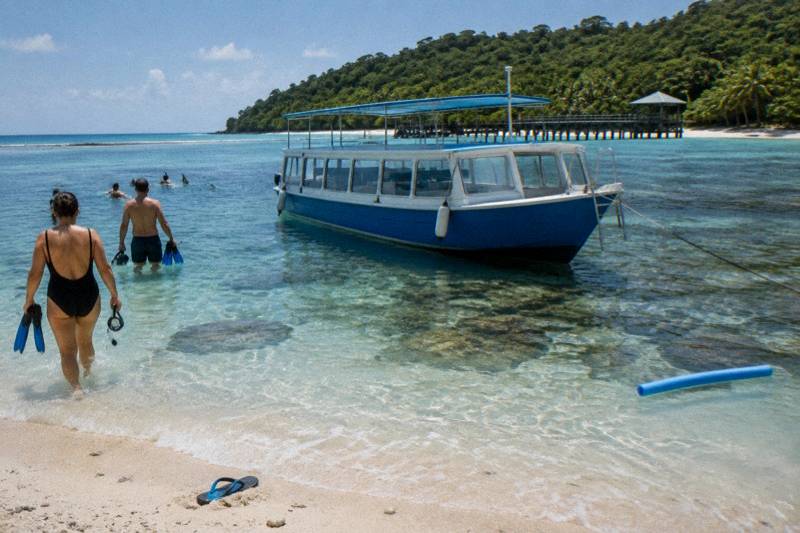
Green Island sits 27 km offshore from Cairns on its own coral cay, ringed by seagrass and coral bommies that Queensland Parks describes as home to turtles and tropical fish. This guide covers where you actually get in the water, what the day tours include, and where the snorkelling honestly sits compared with the outer reef.
Short answer
Green Island snorkelling happens in the patrolled swimming area between the red and yellow flags, over seagrass and coral bommies. Day tours from Cairns start from A$110 per person and most include snorkel gear or a glass-bottom boat. It is an inner-island reef: convenient and turtle-friendly, but not the outer reef.
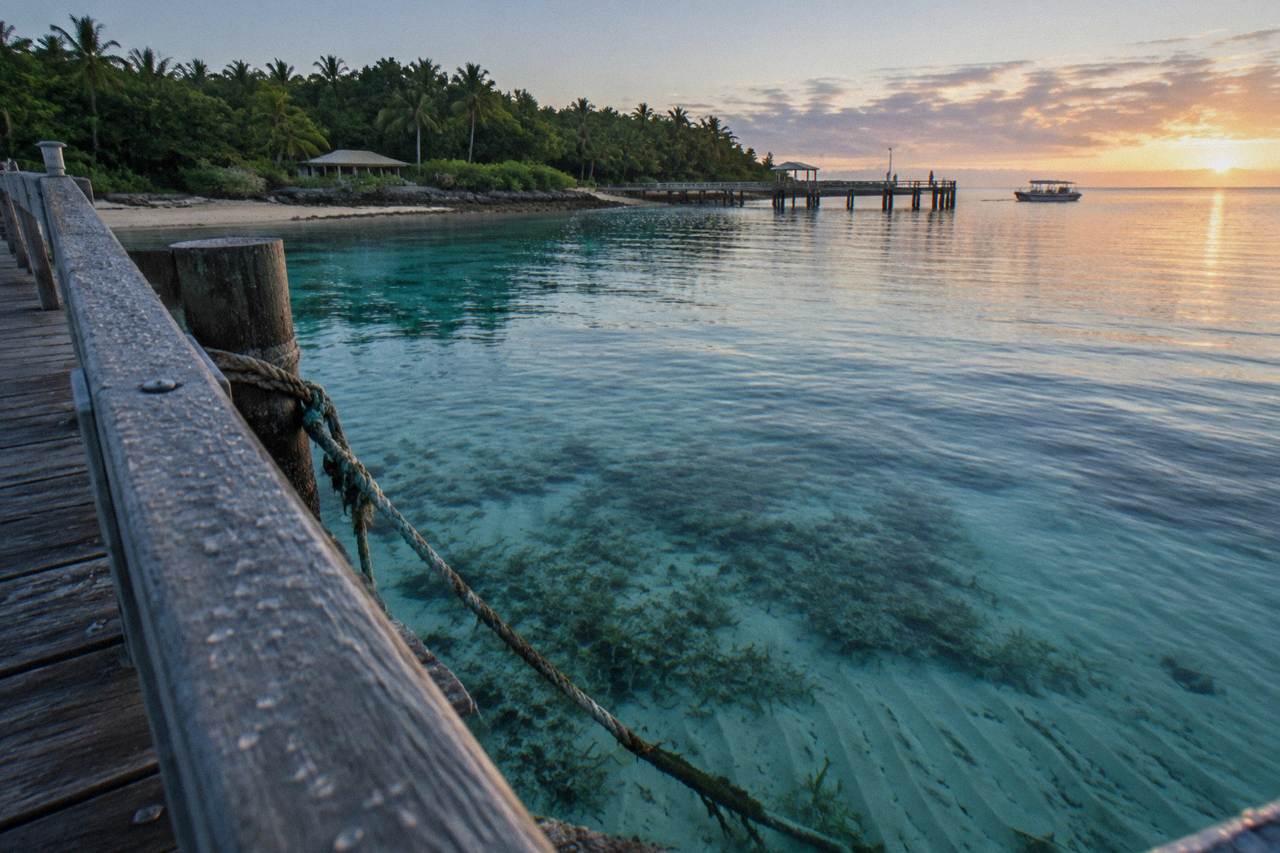
Green Island is one of the few places on the Great Barrier Reef where the snorkelling starts a short walk from where the ferry ties up. The island sits 27 km offshore from Cairns, a coral cay roughly 6,000 years old in the operator's own wording, with the reef literally forming its foundations. Queensland Parks describes the surrounding water as coral reef and seagrass beds where turtles live and feed, and the national park's discovery guide is blunt about where you swim: between the red and yellow flags.
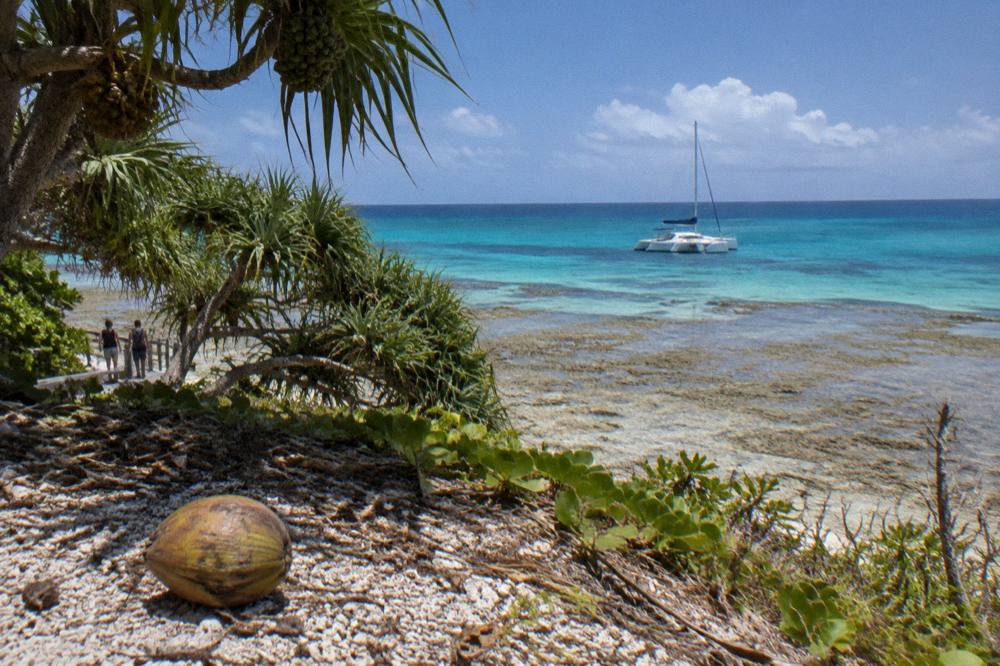
That combination, an easy 45 minute catamaran crossing from Cairns plus in-water wildlife a few steps from the jetty, is why the Great Adventures catamaran, the Big Cat full day and the Ocean Free schooner all run here daily. It is also why the honest question matters: how good is the snorkelling really, and what does each ticket actually include (see Green Island Snorkelling)? This guide works through the swimming area, the Green Island tours compared here, stinger suit guidance, the wildlife, and the fair comparison with the outer reef.
Where Can You Snorkel On Green Island?
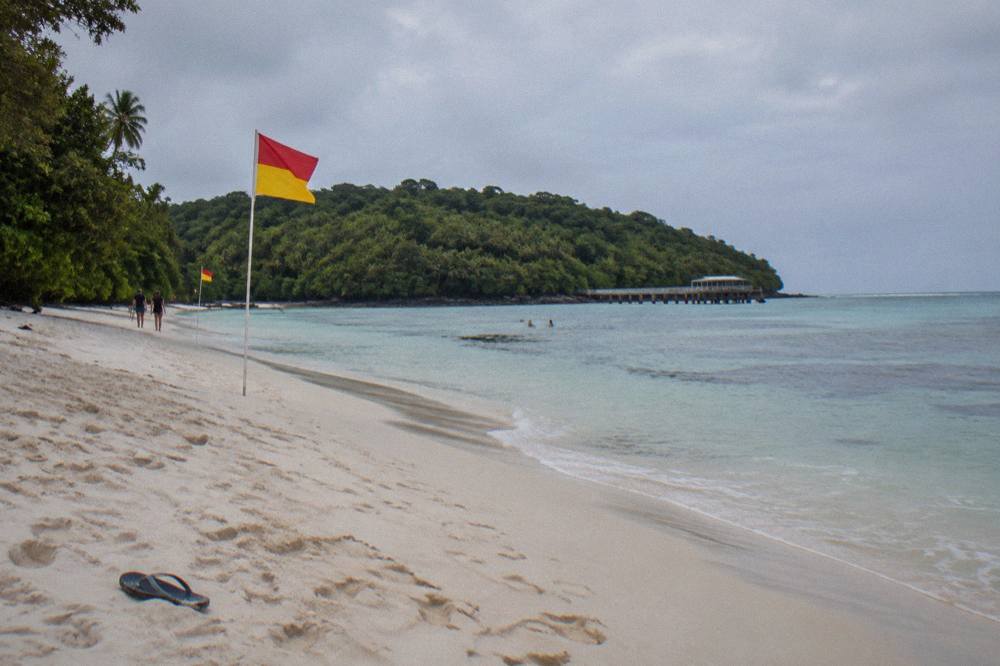
The main snorkelling area on Green Island is the patrolled swimming zone between the red and yellow flags, with seagrass beds and coral bommies nearby and a jetty edge that Queensland Parks and tourism bodies describe as a turtle feeding spot. The flagged zone is the only area the national park guide points visitors to, and the surrounding waters are a no-take marine park.
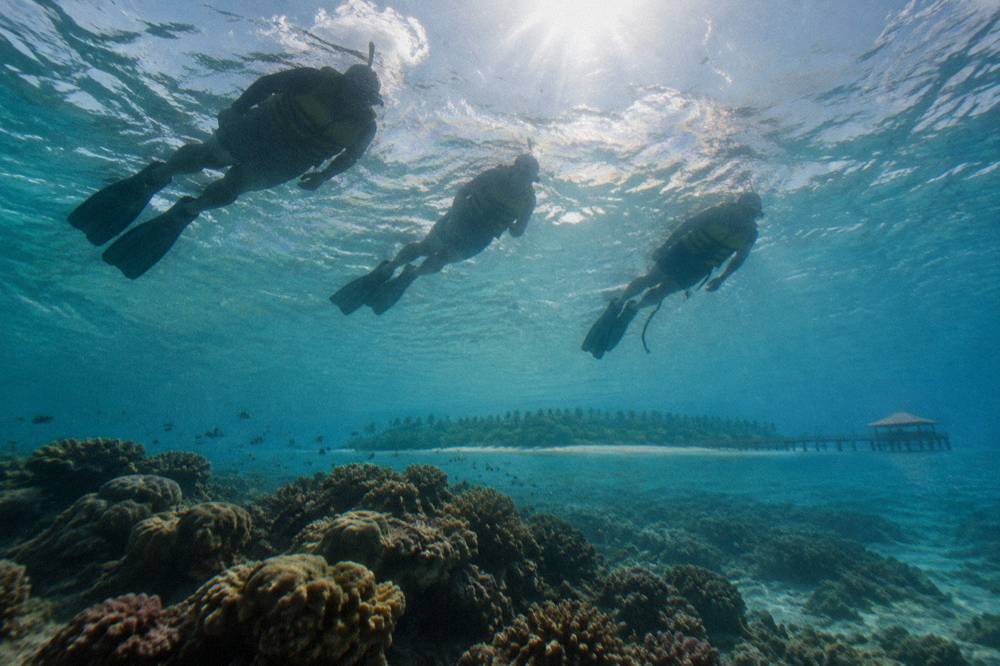
Queensland Parks' discovery guide for Green Island National Park is the governing document here, and it keeps things simple: snorkel between the red and yellow flags. The patrolled swimming area sits close to the jetty, which matters because the jetty's piles and the seagrass meadows beside it are the two features the official pages keep returning to. The Queensland Parks page for the island describes turtles living and feeding in the seagrass, and coral bommies around which tropical fish gather. None of that is a sighting promise; it is a description of habitat, and habitat is what you are paying to visit.
The rules around that habitat are firm. The marine park zoning around the island is no-take, meaning no fishing and nothing removed, and the park rules extend to behaviour in the water: never touch or take plants or animals from land or sea, no feeding wildlife, stay on the tracks on land, and no drones over the island. The Great Barrier Reef Marine Park Authority's responsible reef practices page covers the in-water side of the same rules, from not standing on coral to giving wildlife respectful distance. Snorkellers who follow those rules are, in effect, guests in a national park that happens to be underwater.
Three short walks also shape a snorkel day. The beach walk is a 1.5 km circuit allowing an hour, the boardwalk is 1.3 km return allowing 50 minutes, and the jetty walk is 500 m return allowing 30 minutes, all graded easy by Queensland Parks. None of these is a snorkel route, but they set the rhythm of a day trip: most visitors swim in the flagged zone, dry off, then use the walks to see the rainforest half of what the park calls a rainforest cay built entirely by coral. The island is small enough that the swimming area, the jetty and the walk entrances are all within a few minutes of each other.
One practical note on access: the swimming area is described by Queensland Parks as patrolled, and the park guide lists toilets, showers, picnic tables and beach hire to the left of the jetty. Whether the swimming area is netted is not stated in any official source, so this guide does not claim it either way. If a netted enclosure matters to your plans, treat it as a question for the operator or the lifeguard service on the day, not a fact to assume.
What Do The Green Island Tours Actually Include For Snorkellers?
Every Green Island day cruise on this site includes the catamaran crossing from Cairns, and most include a choice of snorkel gear hire or a glass-bottom boat tour in the base fare, but the details differ from one tour to the next: some bundle gear, some bundle the glass-bottom boat, and the two cheapest fares are cruise-only or gear-choice options.
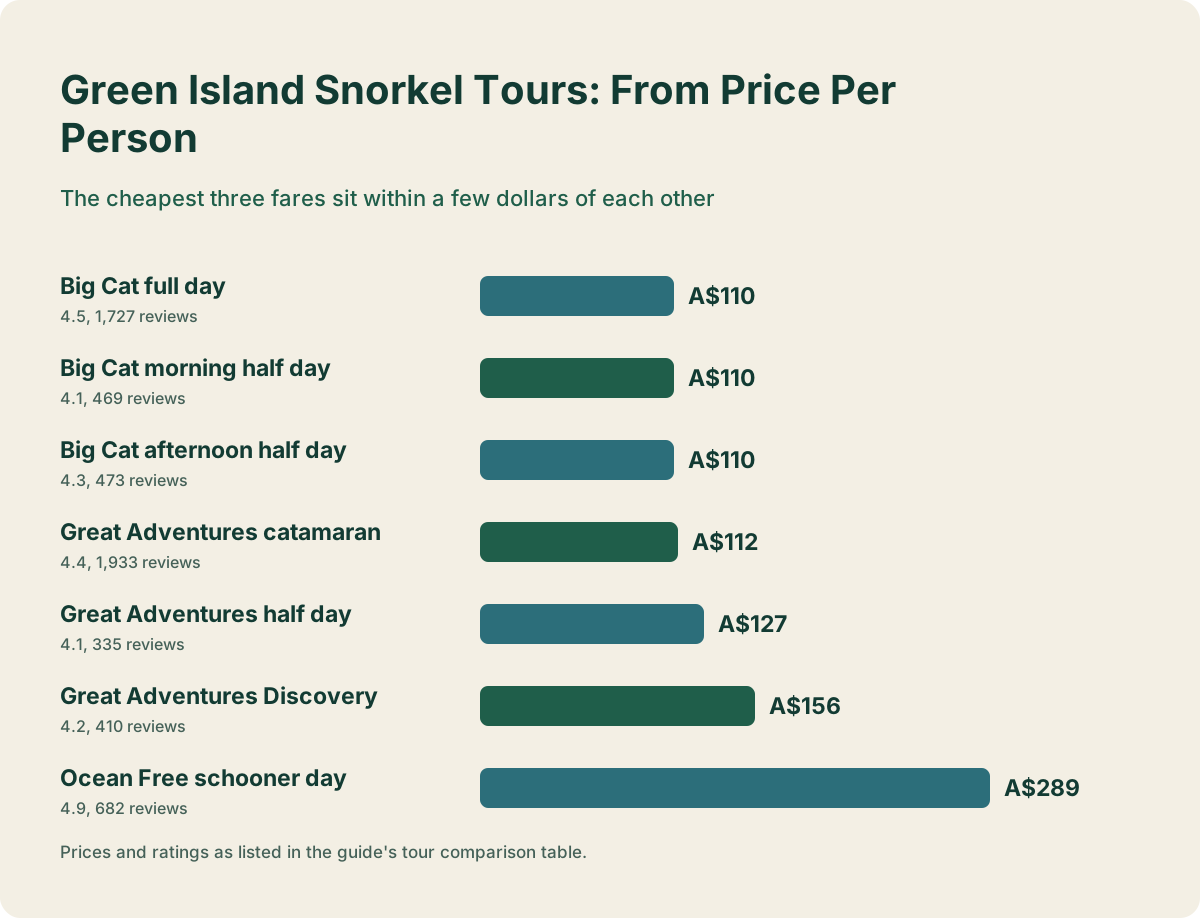
These Green Island tours split cleanly into fare types. The Great Adventures catamaran option, the most reviewed here at 4.4 from 1,933 reviews and from A$112 per person, lets you choose your fare: cruise only, or cruise with a choice of glass-bottom boat or snorkel equipment. The Big Cat full day, 4.5 from 1,727 reviews and from A$110 per person, includes snorkelling or a glass-bottom boat tour in the base fare, with lunch and a semi-submarine tour as options you select. The half-day Big Cat tours, morning and afternoon, both from A$110, include snorkelling gear hire or a glass-bottom boat ride as the chosen option.
Among the Green Island tours compared here, the Great Adventures Discovery option is the fully inclusive one: snorkelling equipment and a glass-bottom boat tour both included, morning tea and coffee on board, use of the island day visitor facilities, the island swimming pool exclusive to Great Adventures passengers, and a free beach bag, from A$156 per person with a 4.2 rating across 410 reviews. Its half-day sibling, from A$127, swaps the double inclusion for a single choice of snorkelling equipment or the glass-bottom boat. The distinction matters if you want both the swim and the dry ride. Only the Discovery fare states both.
| Listing | From price (pp) | Rating | Snorkel inclusions stated |
|---|---|---|---|
| Great Adventures catamaran (full or half day) | A$112 | 4.4, 1,933 reviews | Choice of glass-bottom boat or snorkel equipment, or cruise only |
| Big Cat full day | A$110 | 4.5, 1,727 reviews | Snorkelling or glass-bottom boat tour; semi-sub and lunch as options |
| Big Cat morning half day | A$110 | 4.1, 469 reviews | Snorkel gear hire or glass-bottom boat; snorkelling demonstration |
| Big Cat afternoon half day | A$110 | 4.3, 473 reviews | Snorkel equipment hire or glass-bottom boat tour |
| Great Adventures Discovery | A$156 | 4.2, 410 reviews | Snorkelling equipment AND glass-bottom boat both included |
| Great Adventures half day | A$127 | 4.1, 335 reviews | Choice of snorkel equipment or glass-bottom boat |
| Ocean Free schooner day | A$289 | 4.9, 682 reviews | Snorkelling tuition, tours, in-water crew assistance, full gear, lunch |
The Ocean Free schooner tour is the outlier on this table and worth reading closely. At from A$289 per person and 4.9 from 682 reviews, it is the highest-rated Green Island tour compared here, and it is built around guided snorkelling rather than beach free-swimming: snorkelling instruction and in-water assistance as required, top-quality gear including wetsuits, lycra suits and buoyancy vests, snorkelling tours with a marine naturalist, plus lunch, morning and afternoon tea and a complimentary glass of wine on the return sail. Its sister option with dive options, 4.8 from 413 reviews at the same from-price, adds one or two scuba dives depending on the option selected. For a snorkeller who wants crew in the water with them rather than a gear desk, that is the structural difference.
A note on what is not included anywhere in the base fares: introductory and certified scuba diving, seawalker helmet diving, offshore boat snorkel trips and scenic helicopter flights are listed as optional activities or excluded extras across the Big Cat and Great Adventures listings, bookable locally or as add-ons subject to availability. The Great Adventures operator fares page lists its own add-on prices separately: glass-bottom boat A$32, snorkel hire A$32, a boat snorkel trip A$68, a marine biologist guided snorkel A$89 and Seawalker A$205, published as the operator's own fare table valid 1 April 2026 to 31 March 2027. Those are the operator's published fares for passengers who start with a cruise-only ticket and add water activities on the island.
If you are weighing whether the glass-bottom boat adds anything to a day that already includes a swim, the site's comparison of the glass-bottom boat and semi-submarine covers that question in detail. And if the question is really whether you can skip the tour entirely, the site's piece on visiting without a tour runs through the ferry-only route.
Which Green Island Snorkel Tour Should You Choose?
Choose by what you want from the water, not the price gap: the Big Cat full day at from A$110 suits swimmers who want the cheapest gear-included fare, the Discovery fare at from A$156 suits anyone who wants both snorkelling and the glass-bottom boat bundled, and the Ocean Free schooner at from A$289 suits snorkellers who want guided in-water help and a full meal programme.
The honest starting point is that the three cheapest fares are within a few dollars of each other and the real differences are structural. The Big Cat full day gives you up to about 5.5 hours on the island across an 8 hour day, with snorkelling or the glass-bottom boat included and a semi-submarine tour as a selectable option. The Big Cat morning and afternoon half days, both 4 hours, suit a tighter schedule; the morning version adds a snorkelling demonstration, which is a genuine plus for a nervous first-timer. The Great Adventures catamaran offers the most leisure time of any listing, up to 7 hours on the island on the full day, plus a marine biologist reef talk and island walk exclusive to Great Adventures passengers.
For swimmers who want to go further than the beach, one of the Green Island tours compared here stands out: the Big Cat full day with diving, from A$250 per person, which includes scuba diving equipment plus snorkelling equipment or a glass-bottom boat ride, with buffet lunch and a semi-submarine ride as selectable options. Its rating is 4.9, but from only 10 reviews, so treat that as a small pool rather than a verdict. The site's guide to intro diving and scuba on Green Island works through the medical and certification questions in full.
For non-swimmers, or swimmers with a partner who will not get in, the Seawalker helmet dive option from A$289 per person (4.1 from 98 reviews) puts a helmet on your shoulders and a floor under your feet: this tour combines a Seawalker helmet dive on Green Island with a choice of glass-bottom boat or snorkelling equipment alongside it. It is the clearest answer among the Green Island tours compared here to "can I see the reef without swimming", and the site's page on the Seawalker and Marineland Melanesia covers it alongside the island's crocodile attraction.
One more option that changes the day without changing the snorkelling: the Big Cat later start, an 11am departure for a 6 hour day from A$110, trading an hour or two of island time for a sleep-in. Same operator, same island, different clock. The differences between these options come down to departure time and duration, not a different reef.
Do You Need A Stinger Suit On Green Island?
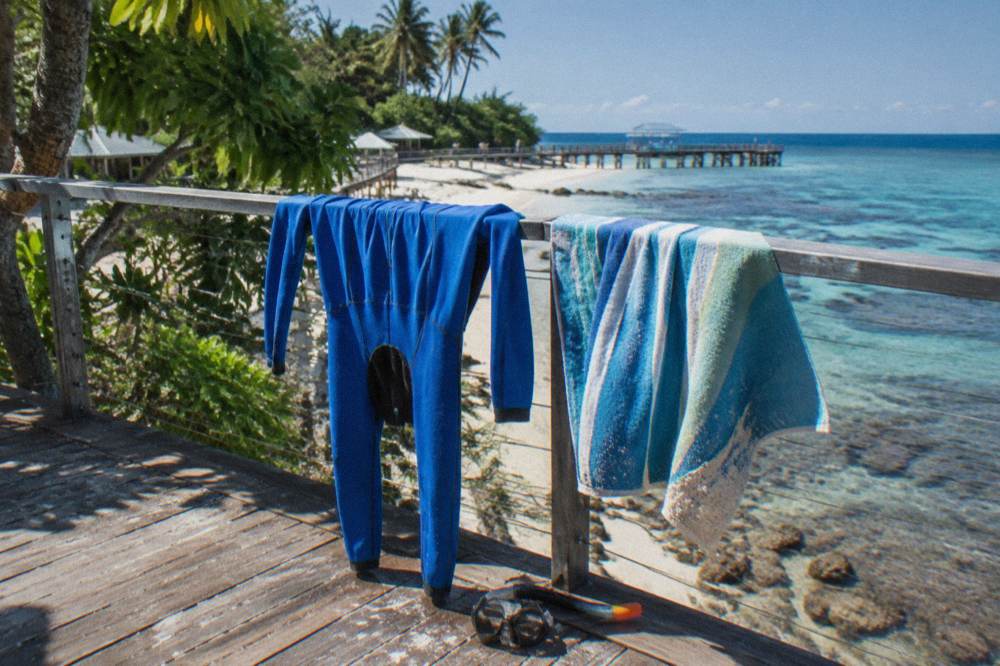
Marine stingers are of particular concern between November and June in the Cairns region, and Queensland Parks warns they may be present in coastal waters at any month, so a stinger suit is the standing recommendation for the warmer half of the year; among these tours, only the Ocean Free options state wetsuits, lycra suits and buoyancy vests as included gear, while the Big Cat and Great Adventures tours do not state suit supply.
The dates come from official sources and they are not negotiable: Cairns Regional Council frames stinger season as November to June and advises wearing a stinger suit during it, while Queensland Parks' own warning for Green Island says stingers may be present in coastal waters at any time but occur more frequently in the warmer months. There is no stinger-free month, and any page that promises one is guessing. What the sources do support is a season of elevated risk and a standing precaution outside it. More of these guides are collected on Green Island Great Barrier Reef Tours.
| Listing | Stinger suit stated? | Gear the listing does state |
|---|---|---|
| Ocean Free schooner (4.9, 682 reviews) | Yes: wetsuits, lycra suits, buoyancy vests included | Snorkel, masks, fins, buoyancy vests |
| Ocean Free with dive options (4.8, 413 reviews) | Yes: wetsuits and lycra suits included | Dive equipment for dive options, snorkel gear |
| Big Cat full day and half days | Not stated | Snorkel gear hire or glass-bottom boat |
| Great Adventures catamaran and Discovery | Not stated | Snorkel equipment or glass-bottom boat per fare |
| Big Cat with diving | Not stated | Scuba equipment, snorkel gear or glass-bottom boat |
That table is the whole honest picture. Where a listing is silent on suit supply, say so and plan around it: the Great Adventures operator fares page lists snorkel hire at A$32 as its own published add-on, and suit hire on the island is a question for the operator's booking page rather than a fact this guide can print. The site's stinger season guide covers the regional picture, the suit types and the first aid advice in much more depth.
The other water-safety facts sit in the same official pages. Queensland Parks' visiting safely guidance for the island focuses on stingers, sun, tides and coral, and the discovery guide's flags instruction is part of that framework. Sun is the underrated one: a full day on a sand cay with no shade over the water means rash-vest coverage does double duty, and the flagged swimming area's patrol is the reason the park guide points to it rather than the whole beach.
What Wildlife Might You See While Snorkelling?
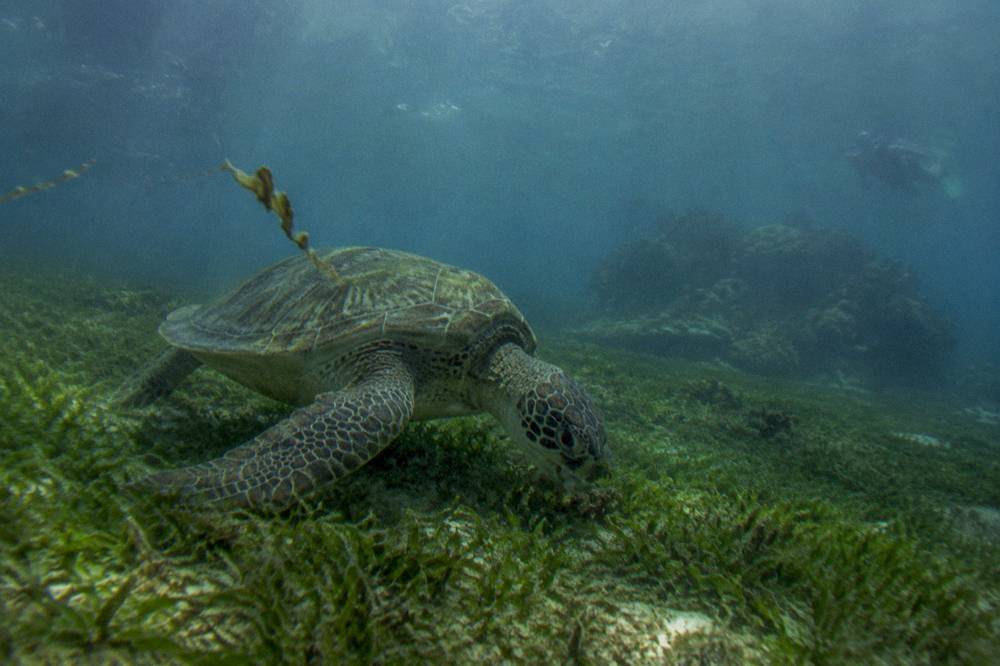
Queensland Parks describes Green Island's seagrass beds as home to turtles that live and feed there, with hawksbill turtles also using the surrounding reef and seagrass year-round, and tourism bodies describe green turtles as commonly sighted near the jetty; none of that is a guarantee for any given day, and the honest framing is habitat plus anecdote, never a promise.
The official layer first. Queensland Parks' pages for Green Island state that coral reef and seagrass beds surround the island, that turtles live and feed in the seagrass, and that hawksbill turtles use the surrounding reef and seagrass meadows as year-round feeding grounds. The park's discovery guide adds coral bommies with tropical fish around them. Dugong feeding on seagrass near the jetty is noted by Queensland tourism and the island's own operator pages. These are statements about what the habitat supports.
The anecdotal layer sits on top of that and should be read as anecdote. Recent guest reviews of the snorkel and glass-bottom listings frequently report turtles from the pier, from the glass-bottom boat and in the water, alongside rays and reef sharks, but reviews are reports of days, not descriptions of the next day. The site's article on sea turtles at Green Island covers the habitat, the species and the sighting question in full, including the rehabilitation story: a new Turtle Rehabilitation Centre on the island had its ceremonial first sod turned in April 2026 with Queensland Government funding of A$600,000, and is expected to be operational by December 2026. It is not open yet, and no page should describe it as a place to visit today.
Behaviour in the water is where the wildlife question meets the rules again. The marine park is no-take around the island, touching or chasing wildlife is prohibited, and feeding is banned outright. The Great Barrier Reef Marine Park Authority's responsible reef practices set the standard snorkellers are asked to hold: look, do not touch, give animals distance, and let them go about their feeding. A snorkeller drifting quietly over the seagrass is both the legal and the effective approach.
Is Green Island Snorkelling As Good As The Outer Reef?
Green Island snorkelling is an inner-island reef experience: shallow, convenient and wildlife-rich around the seagrass, but it is not the outer reef, and the fair comparison is that the island trades coral diversity and open-water clarity for a 45 minute crossing, a beach to retreat to and lower fares, while the outer reef pontoon combo at from A$312 buys three hours at a Moore Reef platform with a buffet lunch.
The honest limit is the one the price structure already tells you. The island's reef is fringing and inshore: seagrass, bommies, jetty piles, and a flagged swimming zone steps from the sand. The outer reef is a different ecosystem reached by a longer crossing, and the one tour that bridges the two is the Green Island and Outer Reef Pontoon combo, from A$312 per person and 4.6 from 98 reviews, which splits a day between 2 hours at Green Island with snorkel equipment included and 3 hours at an Outer Reef Activity Platform, with a hot and cold buffet lunch with fresh prawns, lycra suits and buoyancy vests, and a marine biologist reef presentation.
| Criterion | Green Island day tours | Outer reef pontoon combo |
|---|---|---|
| Crossing from Cairns | About 45 minutes | About 45 minutes plus onward to the platform |
| From price (pp) | A$110 to A$167 | A$312 |
| Reef type | Fringing reef, seagrass, bommies | Outer reef activity platform at Moore Reef |
| Time at destination | 4 to 7 hours on island | 2 hours island, 3 hours platform |
| Meals stated | Morning tea on some fares; lunch an option or extra | Hot and cold buffet lunch with fresh prawns included |
| Suits | Beach day plus a swim; families; first-timers | Snorkellers who want the outer reef in one day |
The reef condition backdrop belongs to the whole region, not to Green Island specifically, and the official sources are careful about that. The Australian Institute of Marine Science's 2025/26 condition summary, released 11 August 2026, puts Northern Great Barrier Reef hard coral cover at 35.1 percent, up from 30.0 percent the year before and above the long-term average of 27.0 percent, with the Central region, which includes the Cairns vicinity, at 31.6 percent against a long-term average of 20.0 percent. The same season brought a regional bleaching event in the Northern Management Region that became apparent in March 2026 after prolonged heat, and Severe Tropical Cyclone Narelle crossed the Far Northern region that month. No Green Island-specific snorkel reef condition report exists in the official sources, and this guide will not invent one.
So who is each experience for? If the day is about a beach, a swim, a walk and an easy boat ride, the island fares from A$110 to A$167 do that at the lowest cost and shortest commitment of the Green Island tours compared here. The two Big Cat transfer tours, from A$157 with Cairns city hotel pickup and from A$167 from the Northern Beaches, are the only options on this site that state hotel pickup included. If the day is about the reef itself and nothing else, the pontoon combo or a dedicated outer reef trip is the better spend. The site's comparison of Cairns island versus outer reef snorkelling runs that decision in full, and the two-islands listing, from A$196 and 4.1 from 187 reviews, splits a day between Fitzroy and Green Island for a middle path.
What Should You Bring And Know For A Green Island Snorkel Day?
Bring your own towel, swimwear, sun protection and reef-safe habits. Check whether your fare includes gear before assuming it, arrive at the right terminal for your operator, and remember the reef tax: the Environmental Management Charge is A$8.50 per person for a full day, and only some of the tours compared here state that it is included in the fare.
Departure terminals vary by operator, and every tour on this site names its own. The Big Cat boats check passengers in directly at their vessels, Big Cat and Reef Rocket, based at Marlin Wharf at the Cairns Marlin Marina, while Great Adventures, Ocean Free and the transfer listings check in at the Reef Fleet Terminal at 1 Spence Street. Boarding for the Great Adventures departures, 8:30am and 10:30am from Cairns with returns at 2:30pm and 4:30pm, opens 30 minutes before departure at the Great Adventures counter inside the terminal. Getting this wrong is the most common self-inflicted delay on a Green Island morning, and the site's Reef Fleet Terminal guide covers parking, transfers and check-in times in detail.
The Environmental Management Charge is the other line item worth understanding. The Great Barrier Reef Marine Park Authority sets it at A$8.50 per person per day for a full-day passenger and A$4.25 part-day, rising to A$9.00 and A$4.50 from 1 April 2027, collected by the permit holder. The two Big Cat tours with transfers state the reef tax as included, and the Great Adventures fares page states the A$8.50 charge is built into its fare price. The other Green Island tours compared here do not state it either way. The honest answer: check the booking page for your specific fare. The site's reef tax guide works through every listing line by line.
| Practical item | What the sources say |
|---|---|
| Check-in | 30 minutes before departure, Great Adventures counter, Reef Fleet Terminal |
| Crossing time | Approximately 45 minutes each way |
| Island walks | Beach walk 1.5 km (1 hr), boardwalk 1.3 km return (50 min), jetty walk 500 m return (30 min) |
| Island eating | Emeralds lunch combo A$41 adult 11am to 2pm; Canopy Grill 10am to 3pm; Lite Bites 9:30am to 4pm |
| Reef tax | A$8.50 full-day passenger, A$4.25 part-day, rising 1 April 2027 |
| Drones | Not permitted on the island |
Food planning matters more than people expect, because only some fares include lunch. The Big Cat listings treat buffet or boxed lunch as an option you select; the Great Adventures catamaran includes morning tea and coffee on board with island food bought on the day; the Ocean Free listings state lunch, morning and afternoon tea included; the pontoon combo includes a hot and cold buffet lunch with fresh prawns. On-island, the operator lists a lunch combo at A$41 adult at Emeralds Restaurant, with the Canopy Grill, Lite Bites Cafe and Reflections Pool Bar running through the day, published as the operator's own island pricing. A family that assumes lunch is in every fare will get caught by the cheaper tickets.
Finally, the honest checklist for the water itself: swim between the flags, expect seagrass and bommies rather than a wall of coral, treat turtles as likely-but-not-promised, wear a suit from November to June and consider one any month, and check your fare's inclusions before you pack. That is the whole game on Green Island, and it is a good one.
Common Questions About Green Island Snorkelling
Does Green Island have good snorkelling?
Green Island has genuinely accessible snorkelling over seagrass and coral bommies in a patrolled swimming area, with turtles described by Queensland Parks as living and feeding in the seagrass. It is an inner-island reef rather than the outer reef: excellent for convenience, first-timers and families, but not a substitute for a Moore Reef platform if coral walls are the goal.
Where do you snorkel on Green Island?
Queensland Parks' discovery guide directs snorkellers to the patrolled swimming area between the red and yellow flags, near the jetty and the surrounding seagrass beds and coral bommies. The surrounding waters are a no-take marine park, so nothing may be taken or touched and wildlife may not be fed.
Do Green Island tours include snorkel gear?
Most do. The Big Cat full day and half days include snorkel gear hire or a glass-bottom boat tour, the Great Adventures Discovery fare includes both snorkelling equipment and a glass-bottom boat, and the Ocean Free listings include full gear with tuition and in-water crew assistance. The cheapest Great Adventures fare is cruise only, with gear as a selectable choice.
Do you need a stinger suit to snorkel at Green Island?
Marine stingers are of particular concern from November to June, and Queensland Parks says they may be present in coastal waters at any month, so a suit is the standing recommendation in the warmer half of the year. Only the Ocean Free listings state wetsuits and lycra suits as included; the other listings do not state suit supply, so check the booking page.
Can you see turtles snorkelling at Green Island?
Queensland Parks describes turtles as living and feeding in the island's seagrass, and green turtles are described as commonly sighted near the jetty by Queensland tourism and the resort, but no tour promises a sighting and a quiet day is always possible. The honest framing is reliable habitat, anecdotal sightings on any given day.
How much does a Green Island snorkel tour cost?
Day cruises with a snorkel or glass-bottom choice start from A$110 per person for the Big Cat full day and half days, from A$112 for the Great Adventures catamaran, from A$156 for the Discovery fare with both inclusions, and from A$289 for the Ocean Free schooner with guided snorkelling and meals. The outer reef pontoon combo runs from A$312.