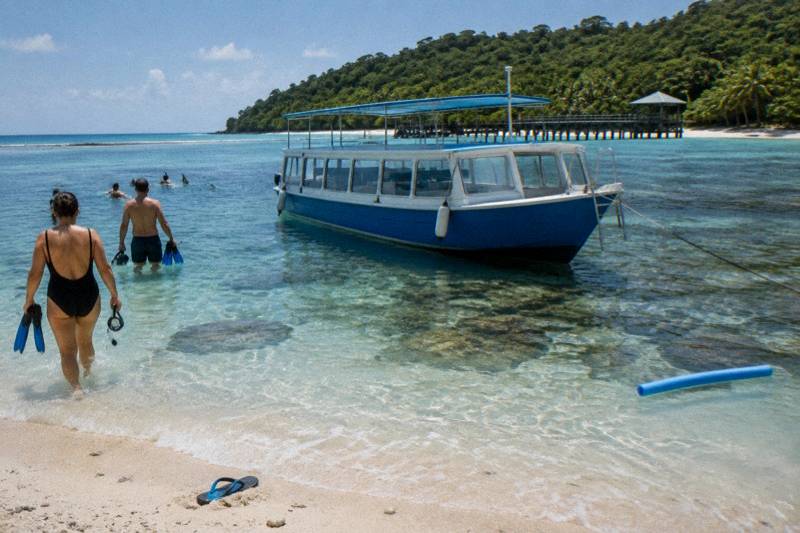
What Colour Not To Wear When Snorkelling At Green Island?
Practical colour and clothing advice for snorkelling at Green Island, plus which Cairns tours include suits, rash vests and snorkel gear.
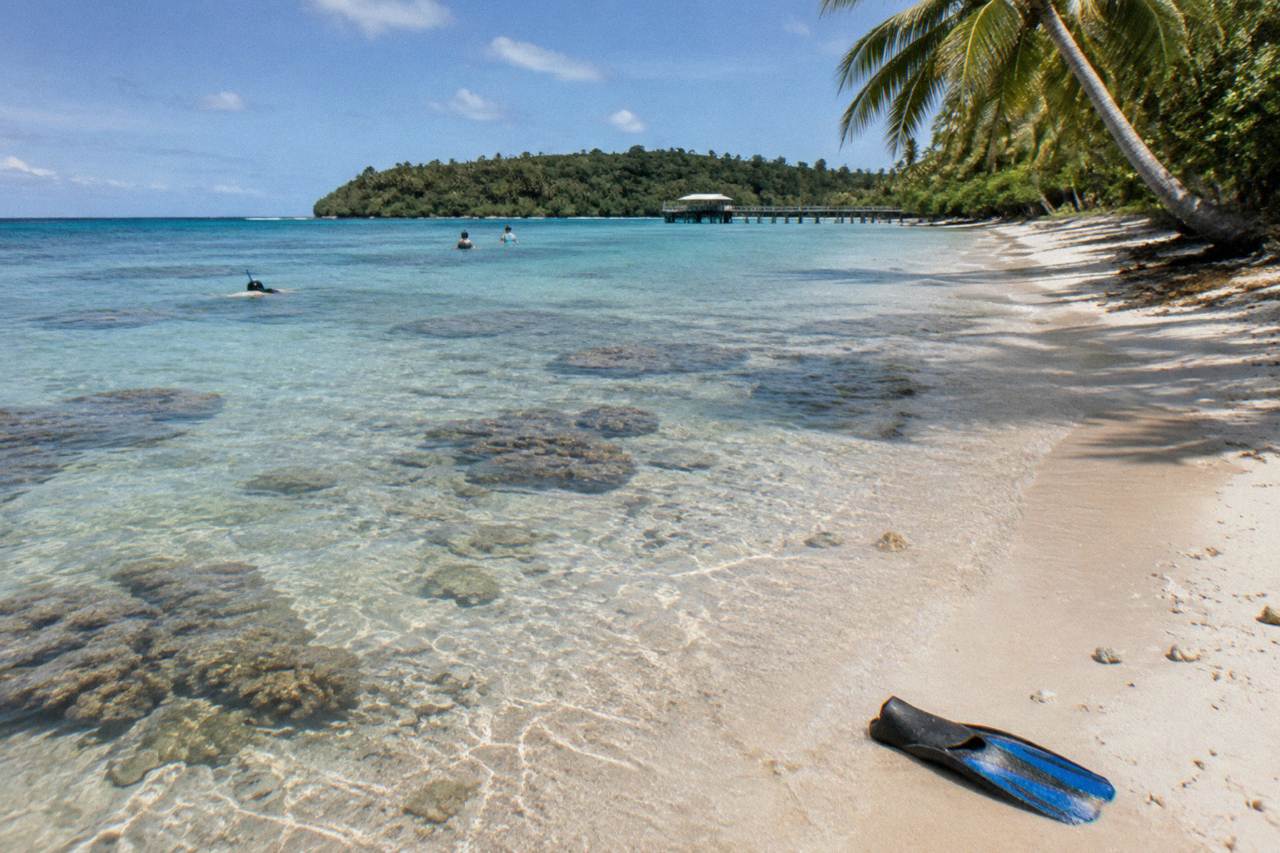
Snorkelling at Green Island is a simple pleasure: a coral cay 27 km offshore from Cairns, seagrass beds where turtles feed, and sheltered water close to the jetty. What you wear in the water shapes the day more than most visitors expect. The wrong colour does not ruin a snorkel, but the right one buys you calmer fish, less sunburn and a more comfortable hour in the water. This guide works through the colour question, the stinger suit question and the packing list, and points to the Cairns tours that already include the gear that matters. If you would rather not pack your own mask and fins, the guide to hiring snorkel gear on Green Island weighs hire counters against tours that bundle equipment into the fare.
What Colour Not To Wear When Snorkelling At Green Island?
The colours to avoid are bright fluorescent oranges and yellows, which are associated with food and can excite some reef fish, and plain dark navy or black worn without a vest, which absorbs tropical sun and heats you up fast. Muted blues, greens and teal tones sit closest to the reef's own palette and attract the least attention. Coverage matters more than colour: a full rash vest beats bare skin in every scenario.
The colour question gets argued endlessly in dive shops and snorkel forums, and the honest answer is that no peer-reviewed study ranks shirt colours by fish reaction. What exists is a widely repeated guideline among dive professionals: fish learn to associate certain bright colours with food, because dive operators and fish-feeding sites have used them for decades. At Green Island that logic lands softly, because feeding fish is prohibited in the national park and marine park rules are explicit about no feeding wildlife. Even so, many snorkellers report that fish drift closer when the crowd above them looks less like a floating highlighter.
There is a second, more practical reason to think about colour, and it has nothing to do with fish. Tropical sun through shallow water is fierce, and a dark shirt worn for an hour in the water behaves like a solar panel. Light colours reflect heat, dark colours absorb it, and a snorkeller in a black cotton t-shirt often ends the session hotter and more burnt than expected, because wet fabric loses most of its sun protection. A purpose-made rash vest in a light or mid tone does the job properly, dries fast and does not balloon in the water the way a cotton shirt does.
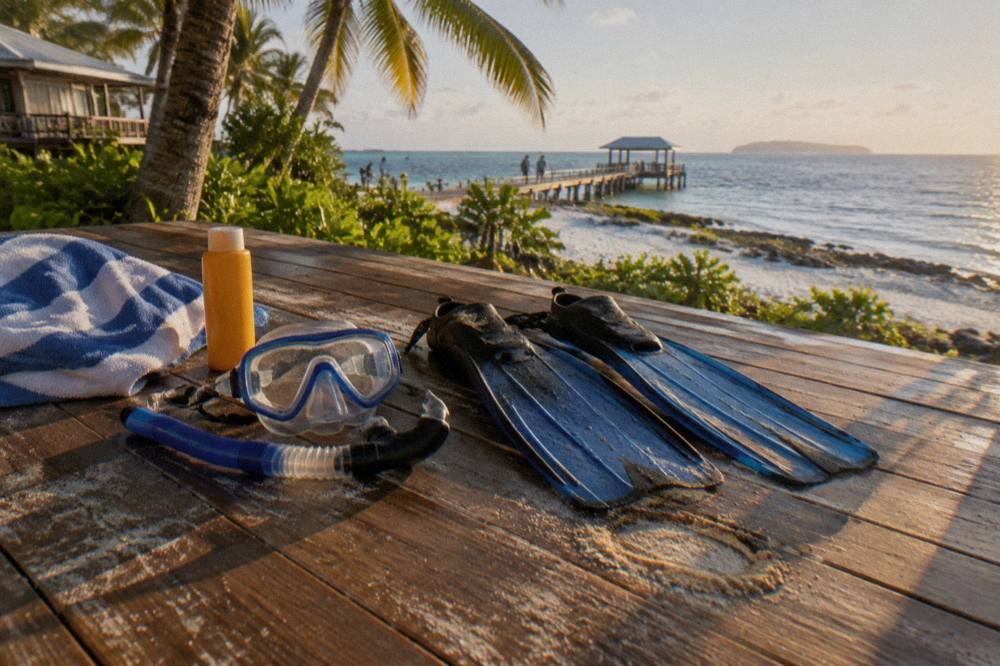
The table below is planning guidance, not marine biology. Treat it as a starting point for the packing pile.
| Colour choice | Likely effect | Better alternative |
|---|---|---|
| Fluorescent orange or yellow | Can excite fish that associate bright colours with food | Muted blue, green or teal |
| Plain black or navy full suit | Absorbs heat, hotter after an hour in the sun | Light grey, light blue or a patterned suit |
| White cotton t-shirt | Balloons when wet, loses sun protection when soaked | A fitted rash vest in any light colour |
| Bright red | High visibility, no proven fish effect either way | Fine if you want the boat crew to spot you easily |
If you are booking rather than packing, the Great Adventures discovery day from Cairns is the natural first stop for this question: it includes both snorkelling equipment and a glass-bottom boat tour in the one fare, from A$156 per person, rated 4.2 from 410 reviews, with free cancellation. The Big Cat full day and the Great Adventures catamaran cruise are the other two listings most Green Island visitors compare it against.
What Should You Wear Snorkelling On The Great Barrier Reef?
A full-length stinger suit or rash vest, boardshorts or a swimsuit, reef-safe sunscreen on exposed skin, and reef walkers or fins for the reef flat. The stinger suit is the single most useful garment: it blocks sun, takes the sting risk out of the equation and removes the need to reapply sunscreen in the water. Whatever a tour listing states about included suits is what you get, so read the inclusions line before assuming.
A rash vest is the everyday answer. It covers the shoulders and back, the two areas that burn fastest while floating face-down, and it does not degrade in the water. Boardshorts over a swimsuit give the backs of the thighs the same protection. Fins matter at Green Island because the best coral sits a short swim from the beach, and reef walkers matter because the walk from the sand to the deeper water crosses coral and rock. The Queensland Parks discovery guide for the island asks snorkellers to stay between the red and yellow flags, and the same guide sets the no-touch, no-take rules that protect the coral you are floating over.
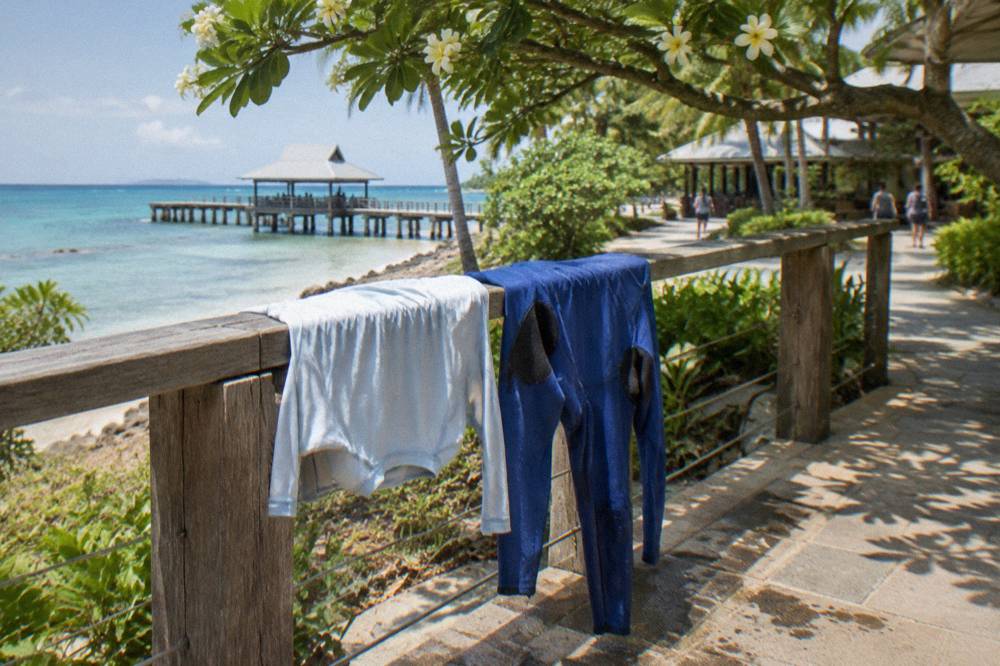
Sunscreen is the quiet half of the packing list. General health advice across Queensland is to use sunscreen every day in the tropics, and to prefer products marketed as reef-safe, meaning mineral-based formulas without oxybenzone and octinoxate, on any day that ends in the marine park. Apply it before the suit goes on, to the face, backs of the hands and any strip of skin the suit leaves exposed. A suit that covers arms and legs reduces the sunscreen question to a square decimetre of face, which is exactly why operators like providing them.
Which listings actually include suits and gear? The Ocean Free schooner day includes top-quality snorkel gear with wetsuits, lycra suits and buoyancy vests in its base fare, from A$289 per person, rated 4.9 from 682 reviews. The Green Island and outer reef pontoon combo includes snorkelling equipment, buoyancy vests and lycra suits alongside its buffet lunch, from A$312 per person, rated 4.6 from 98 reviews. The Great Adventures discovery day includes snorkel equipment but does not state a stinger suit in its inclusions, so pack a rash vest or check the booking page if you want one supplied. That difference is worth a moment of thought before you book, and the site's stinger season and stinger suits guide breaks the season down in detail.
Do You Need A Stinger Suit At Green Island?
Marine stingers are of particular concern between November and June, and Queensland Parks says they may be present in coastal waters in any month, so a stinger suit is the safe default year-round. No month is stinger-free and no operator promises one. Wear a suit in the warmer months without exception, and treat one as optional but sensible in the dry season.
Cairns Regional Council states the season plainly: marine stingers are of particular concern between November and June, and the council advises wearing a stinger suit during stinger season. Queensland Parks' own safety advice for Green Island goes further, noting that stingers may be present in coastal waters at any time but occur more frequently in the warmer months. Put those two statements together and the honest conclusion is that there is no month when the risk reads as zero, and there is no month when a full suit is a bad idea. The Queensland Government's dangerous marine stingers page covers the first-aid basics, including vinegar and calling emergency services.
A stinger suit also solves the sun problem and the colour problem at a stroke. It covers you wrist to ankle, it is usually a light or patterned colour, and it means the only sunscreen decision left is your face. For a four-hour half day or a seven-hour full day on the island, that is one less thing to manage between swims. If you are weighing half day against full day, the Green Island half day tour guide compares the morning and afternoon options, and the snorkelling guide covers where the coral sits relative to the beach.
Is Reef-Safe Sunscreen Really Necessary?
No Queensland law bans standard sunscreen at Green Island, so this is advice rather than regulation: mineral-based reef-safe sunscreen is the considerate choice in a marine park, and it is the standard general advice for reef trips. Whatever you use, apply it before you suit up, and reapply only to exposed skin, because most of your body should be covered by fabric anyway.
The marine park around Green Island is no-take, and GBRMPA's responsible reef practices ask visitors to minimise their footprint on the reef in every practical way. Sunscreen choice sits in that basket of small decisions: a full-body suit plus a mineral sunscreen on the face is the low-impact combination, and it is what most reef-focused operators quietly model themselves. Chemical filters wash off in the water and there is ongoing research into their effect on coral, which is why the reef-safe label exists at all.
The practical hierarchy is simple. First, cover up: a suit or rash vest removes most of the skin that needs cream. Second, use a mineral formula on what remains. Third, reapply after towelling off, not while floating. A snorkeller who follows that order uses a fraction of the sunscreen of a snorkeller in a swimsuit, and gets less burn, not more. If your tour includes a suit, the packing problem is already half solved before you leave Cairns.
What Else Should You Pack For A Green Island Day?
Pack a towel, a dry change of clothes, a hat and sunglasses for the boat, a water bottle, seasickness remedies if you are prone, and cash or a card for island food, since lunch is not included in most base fares. Reef walkers or sandals beat thongs for the walk between the beach and the reef. A dry bag keeps phones and keys safe on the sand.
The boat ride is about 45 minutes each way, and the sun on the outer decks is the same tropical sun you will snorkel under. A hat that survives wind, sunglasses, and a long-sleeve shirt for the ride out are the three items people most often wish they had packed. On the food question, the details vary by listing: the Great Adventures cruises include morning tea and coffee on board but not lunch, the Big Cat full day makes buffet lunch a selectable option rather than a base inclusion, and the Ocean Free sailing days include lunch and morning and afternoon tea in the fare. Reading the inclusions line on the booking page settles it for whichever listing you choose.
| Item | Why it earns its spot | Notes for Green Island |
|---|---|---|
| Rash vest or stinger suit | Sun and sting cover in one garment | Check whether your listing includes one |
| Reef walkers or secure sandals | Coral and rock between sand and snorkel water | Thongs are poor on wet rock |
| Wide-brim hat and sunglasses | 45-minute boat ride each way, open decks | A hat that survives wind is worth more than a stylish one |
| Water bottle | Full days run 7 to 9 hours | Island outlets sell drinks; a bottle saves the queue |
| Dry bag or zip pocket | Keeps keys and phone safe on the sand | Lockers are rentable on some listings |
| Seasickness remedy | The crossing is open water in a breeze | Take it before boarding, not after |
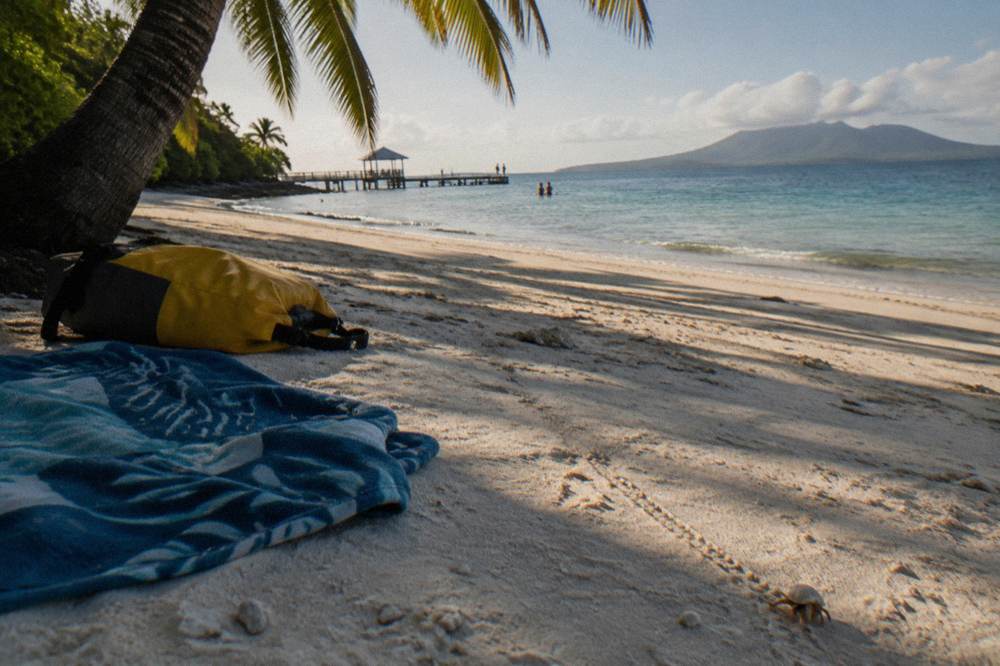
For families, the packing question doubles, and the Green Island with kids guide covers the accessibility and supervision side. One item worth adding for children specifically: a properly fitted buoyancy vest, which several listings include and which turns a nervous young snorkeller into a confident one within minutes.
Which Green Island Tours Include Snorkel Gear And Suits?
The two Ocean Free sailing listings include wetsuits and lycra suits with their snorkel gear, and the outer reef pontoon combo includes lycra suits and buoyancy vests. The Big Cat and Great Adventures day cruises include snorkel equipment in their fares or options but do not state stinger suits, so bring a rash vest or expect to hire on the island. The fly-and-cruise package includes snorkel equipment hire or a glass-bottom boat tour with its buffet lunch.
The differences are real and they are worth the comparison. The Big Cat full day, from A$110 per person and rated 4.5 from 1,727 reviews, bundles a choice of snorkelling gear or a glass-bottom boat tour in its base fare. The Great Adventures catamaran cruise, from A$112 per person and the most reviewed tour on this site at 4.4 from 1,933 reviews, lets you choose a cruise-only fare or a fare with gear or a glass-bottom boat included, and adds a marine biologist reef talk exclusive to its passengers. The Ocean Free schooner, from A$289 per person and rated 4.9 from 682 reviews, is the small-group option where the suits are simply part of the deal.
| Listing | From price | Gear stated in the listing | Suit stated |
|---|---|---|---|
| Big Cat full day | A$110 pp | Snorkelling gear or glass-bottom boat tour | Not stated |
| Great Adventures catamaran cruise | A$112 pp | Snorkel equipment or glass-bottom boat, by fare choice | Not stated |
| Great Adventures discovery day | A$156 pp | Snorkelling equipment and glass-bottom boat tour | Not stated |
| Ocean Free schooner sailing | A$289 pp | Snorkel gear, wetsuits, lycra suits, buoyancy vests | Yes, wetsuits and lycra suits |
| Outer reef pontoon combo | A$312 pp | Snorkel equipment, buoyancy vests, lycra suits | Yes, lycra suits |
| Fly and cruise package | A$429 pp | Snorkel equipment hire or glass-bottom boat, buffet lunch | Not stated |
One quiet cost to keep in mind is the Environmental Management Charge, the reef tax collected by every permitted operator. It is A$8.50 per person for a full-day passenger and A$4.25 for a part-day trip, rising to A$9.00 and A$4.50 from 1 April 2027. The Great Adventures fares page states the charge is included in its fare price; the two Big Cat transfer listings list the reef tax as included; other listings are silent, so check the booking page. The reef tax and inclusions guide itemises who states what.
The wildlife side of the colour question deserves a final word. Queensland tourism and the resort describe green turtles as commonly sighted near the jetty and in the seagrass, and hawksbill turtles also use the surrounding reef, per Queensland Parks. None of that is a promise for your day, and no honest page makes it one. What you control is your behaviour: no touching, no chasing, no feeding, and a respectful distance from anything with fins. A snorkeller in a muted blue suit drifting slowly over the seagrass is simply a better guest than one splashing after a turtle in a neon shirt, and the marine park rules say as much in drier language. The same rules protect you from yourself: the coral is sharp, the sun is real, and the flags on the beach mark the patrolled water.
Green Island rewards the visitor who treats clothing as gear rather than fashion. A light-coloured suit, a mineral sunscreen, a hat for the crossing and a dry bag on the sand cover almost every scenario the island can produce, from a glass-flat morning to a breeze that sends spray across the boat deck. The colour advice in the first section is the smallest part of that kit, but it is the part people ask about, and the answer holds: look like the reef, cover more than you think you need to, and let the turtles decide whether today is a turtle day.
For the full picture of what is available from Cairns, the Green Island tours compared guide sets every option side by side, and this site, Green Island Great Barrier Reef Tours, puts each tour's price and rating in one place. Whatever you book, the three below are the ones most readers of this article end up choosing.
Common Questions About Snorkelling Colours And Gear
What color not to wear when snorkeling?
Avoid fluorescent orange and yellow, which fish can associate with food, and plain dark colours worn without cover, which absorb tropical sun. Muted blues, greens and teals are the usual recommendation, and full coverage in a rash vest or stinger suit matters more than the shade you pick.
Do I need a stinger suit at Green Island in the dry season?
Stingers are of particular concern from November to June, and Queensland Parks says they may be present in any month, so no season reads as risk-free. A suit in the dry season is a comfort and sun-protection choice rather than a strict safety one, but it is never a bad idea.
Do Green Island tours provide snorkel gear?
Most do. The Big Cat full day and the Great Adventures cruises include snorkel equipment or a glass-bottom boat tour in their fares or fare options, and the Ocean Free sailing days include snorkel gear with wetsuits and lycra suits. Check the inclusions line on the listing you book.
Is sunscreen allowed in the Great Barrier Reef marine park?
There is no ban on standard sunscreen at Green Island. The general advice for reef trips is to prefer mineral-based reef-safe formulas and to rely on clothing coverage for most of your skin, applying cream only to exposed areas.
Should I wear shoes in the water at Green Island?
Reef walkers or secure sandals are the practical choice, because the walk from the beach to deeper snorkel water crosses coral and rock. Thongs offer little grip on wet surfaces and are best left on the towel.