Seawalker Helmet Dive And Marineland Melanesia On Green Island
Green Island pairs two very different animal encounters: a helmet dive that walks you along the reef floor without swimming, and a family-run crocodile park five minutes from the jetty. Here is what each one is, what the listings include, and how the two fit into a single day.
Short answer
The Seawalker helmet dive is a Great Adventures add-on from A$289 as a full package, or A$205 as an island extra per the operator's published fares, and needs no swimming. Marineland Melanesia is open daily 9am to 4pm with crocodile shows at 10.30am and 1.30pm, entry paid separately, five minutes from the jetty.
Green Island packs two of Tropical North Queensland's more unusual animal experiences into a coral cay you can walk across in under an hour. One puts your head in a helmet and your feet on the reef floor. The other puts you a few metres from up to 15 crocodiles, five minutes' stroll from where your ferry berths. Neither is part of a standard cruise ticket, and both deserve a little planning before the boat leaves Cairns.
This guide covers what the Seawalker helmet dive actually is, what Marineland Melanesia offers and when its shows run, which listings on this site bundle the helmet dive with a cruise, and how the two fit into one day. The helmet dive package featured here is the Seawalker and snorkel or glass bottom boat tour, a Great Adventures product rated 4.1 from 98 reviews, from A$289 per person. Alongside it we compare the Great Adventures Discovery tour, the Big Cat and Great Adventures day cruises, and the bookable scuba option, so you can see where the helmet dive sits against its alternatives. More background on the operators and fares is on Green Island Great Barrier Reef Tours.
What Is The Seawalker Helmet Dive On Green Island?
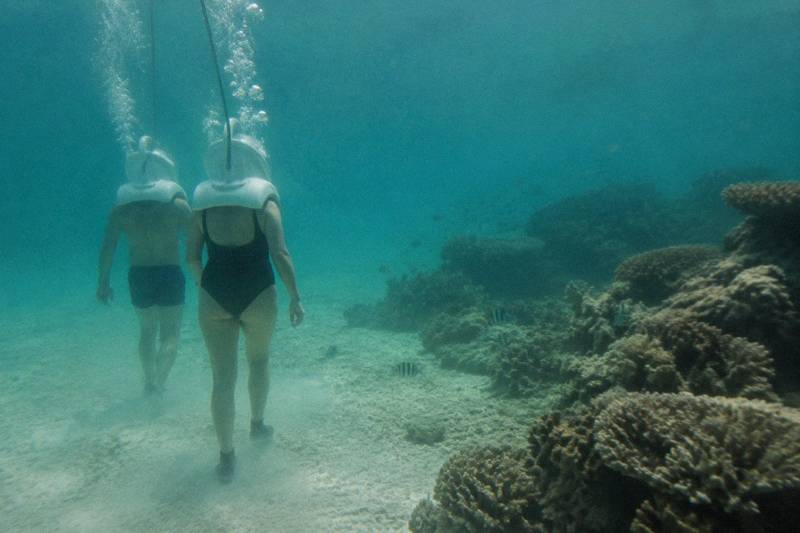
The Seawalker helmet dive on Green Island is a guided reef-floor walk where you wear a sealed helmet with its own air supply, descend a ladder to about three to four metres, and stroll among coral and fish without swimming, holding your breath or wearing a mask. Trained dive staff lead limited daily sessions, and the listing says it suits non-swimmers and guests as young as the operator's minimum age.
The concept is simple and it is the reason the product exists. Snorkelling demands a degree of comfort in open water, and introductory scuba demands more again: a medical check, briefing time and confidence with a regulator. The Seawalker removes most of that. You climb down a ladder at the platform, the helmet sits on your shoulders with glass in front of your face, and air is pumped in continuously so the water line stays below your chin. Your hair stays dry. Glasses can generally be worn, since the helmet seals around your shoulders rather than your face, though you should confirm specifics with the operator when booking.
What you see is the same reef the snorkellers see. Green Island sits 27 km offshore from Cairns, surrounded by coral reef and seagrass beds that Queensland Parks describes as home to turtles and tropical fish around the coral bommies. The helmet walk happens on the reef floor near the island, in the same waters. Fish come close, and the crew sometimes attract them near the walking line, but nothing on a reef is promised: coral colour, fish numbers and visibility all vary with the day, the tide and the season. A helmet dive on a quiet afternoon is still a quiet afternoon, and the honest framing is that the format, not a sighting list, is what you are buying.
The listing for the featured product includes more than the helmet session. Passengers get the Seawalker helmet dive on Green Island, the return fast catamaran cruise from Cairns with Great Adventures, a choice of a glass bottom boat tour or use of snorkelling equipment, morning tea and coffee served onboard until departure from Cairns, a self guided island walk, free use of the island day visitor facilities, and use of the island swimming pool, exclusive to Great Adventures passengers. Lunch is not included, and neither is hotel pickup and drop-off; you check in at the Reef Fleet Terminal at 1 Spence Street. The whole day runs about seven hours.
If you are weighing the helmet dive against other ways to get under the water, the site's guide to intro diving and scuba on Green Island covers the tank-based options, including the bookable full-day dive listing with scuba equipment included.
What Is Marineland Melanesia?
Marineland Melanesia is a family-run crocodile and marine park on Green Island, open 9am to 4pm every day except Christmas Day, with crocodile presentations at 10.30am and 1.30pm and turtle presentations at 10.20am and 1.20pm. It holds up to 15 crocodiles, over 10 aquariums and a working coral nursery, and sits about a five minute stroll from the jetty. Entry is paid separately at the gate.
The park is one of the older attractions of its kind in Australia. Its own site records that it was built by two partners in the early 1960s and has been owned and operated by the Craig family since 1971, making it a genuinely local institution rather than a corporate add-on. Visitors walk through aquariums of reef fish and Melanesian artefacts on the way to the crocodile enclosures, and the coral nursery is offered as an optional upgrade for guests who want to see how the park grows coral for restoration projects.
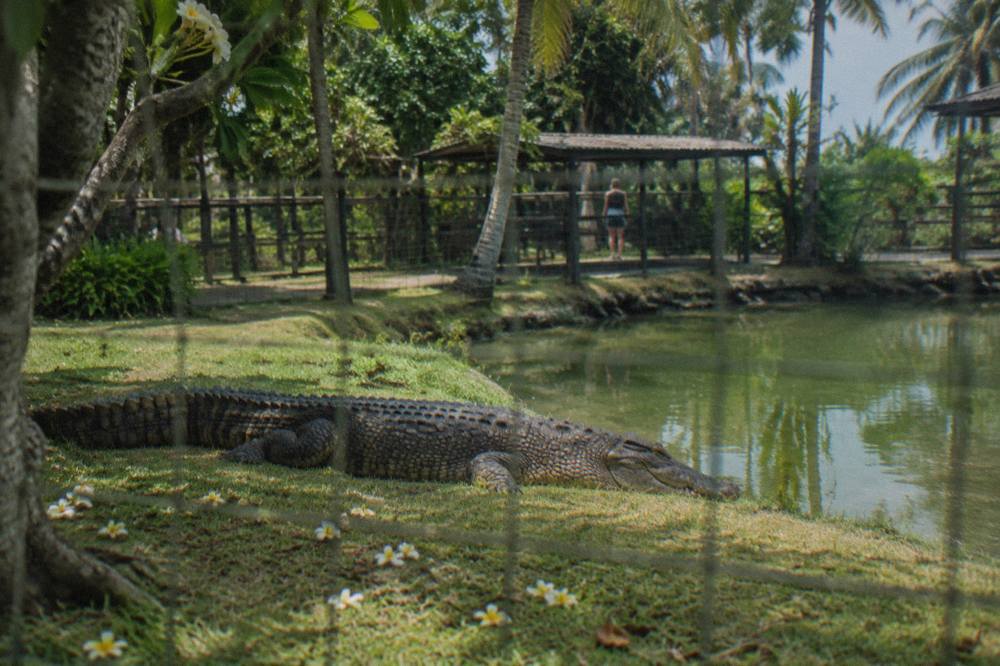
The crocodile shows are the anchor. Keepers present live crocodiles at 10.30am and 1.30pm, and the turtle presentations featuring Billy the hawksbill turtle run at 10.20am and 1.20pm, twenty minutes earlier, so a visitor who arrives for the turtle talk naturally stays for the crocodile show that follows. The park's most famous resident, Cassius, the largest crocodile in captivity, died in October 2024, but the park still keeps up to 15 crocodiles, and the presentations cover their biology, their role in the ecosystem and the family's rescue work. Per the park's own site, shows are included with entry, and the park is open 7 days a week from 9am to 4pm.
Timings matter because the island day is shorter than the mainland day. The Great Adventures catamarans arrive from Cairns at roughly 9.15am and 11.15am, and the returns leave the island at 2.30pm and 4.30pm. An 8.30am sailing from Cairns puts you at the jetty around 9.15am, comfortably before the 10.20am turtle presentation; a 10.30am sailing lands you at 11.15am, in time for the 1.20pm and 1.30pm afternoon sessions but not the morning ones. The park is a short walk from the jetty along the island's paths, and the island itself is compact: Queensland Parks grades all three of its walks Easy, including a 500 m jetty walk that takes about 30 minutes return.
Is The Seawalker Included In Your Green Island Cruise Ticket?
No standard cruise fare on this site includes the Seawalker helmet dive. The only listing that bundles it is the dedicated Seawalker package itself, from A$289 per person, which adds the helmet session to a Great Adventures cruise day. On every other listing the helmet dive is an island activity you book and pay for separately, either in advance through the operator or locally, subject to availability.
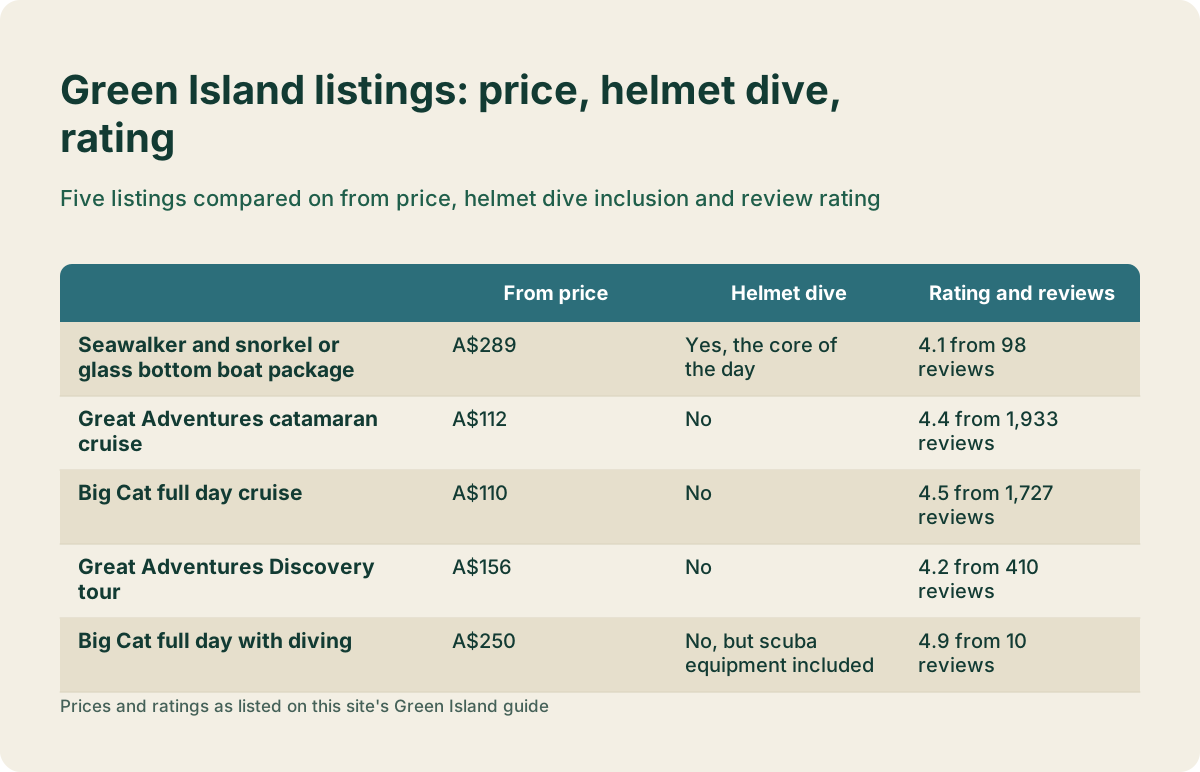
Line up the two main full-day cruises and the split is plain. The Great Adventures catamaran cruise, from A$112 and rated 4.4 from 1,933 reviews, includes the return catamaran, up to seven hours on the island, access to the national park walking tracks, a marine biologist reef talk and island walk exclusive to Great Adventures passengers, and a choice of glass bottom boat or snorkel equipment depending on the fare you pick. The helmet dive is not part of it. The Big Cat full day works the same way: from A$110 and rated 4.5 from 1,727 reviews, its inclusions run to the catamaran trip, snorkelling or a glass bottom boat tour, safety gear and optional lunch. Helmet diving appears on neither.
| Listing | From price | Rating and reviews | Helmet dive included? | What the listing does include |
|---|---|---|---|---|
| Seawalker and snorkel or glass bottom boat package | A$289 | 4.1 from 98 reviews | Yes, the core of the day | Helmet dive, catamaran transfers, glass bottom boat or snorkel gear, morning tea, island walk, pool access |
| Great Adventures catamaran cruise | A$112 | 4.4 from 1,933 reviews | No | Catamaran, up to 7 hours on island, reef talk, glass bottom or snorkel by fare |
| Big Cat full day cruise | A$110 | 4.5 from 1,727 reviews | No | Catamaran, snorkelling or glass bottom boat, safety gear, optional lunch |
| Great Adventures Discovery tour | A$156 | 4.2 from 410 reviews | No | Snorkel equipment and glass bottom boat both included, transfers, morning tea, beach bag |
| Big Cat full day with diving | A$250 | 4.9 from 10 reviews | No, but scuba equipment included | Snorkelling or glass bottom boat, scuba diving equipment, optional semi-sub ride and buffet lunch |
The pattern to notice is that water activities come in tiers. A cruise-only fare gets you to the island. A fare with snorkel or glass bottom gets you onto or into the water. The helmet dive, the dive listing and the semi-submarine sit above that as paid extras, and the tier you buy up front is usually cheaper and more certain than buying on the island, where helmet sessions can fill on busy days. If you already know you want the helmet experience, the bundled package is the clean route; if you are undecided, a Discovery fare with both snorkel gear and the glass bottom boat included gives you the most water time per dollar short of committing to the helmet.
The bundled Seawalker package carries free cancellation, as do all the listings in the table, so the risk of booking it ahead is low. The trade-off is the price step: from A$289 against from A$110 to A$167 for the plain day cruises, the difference buys the helmet session itself and the pool and facilities access, and nothing else changes about the boat or the island.
How Much Does The Seawalker Cost As An Add-On?
Booked as its own package with transfers, the Seawalker day is from A$289 per person. Booked as an island extra on a Great Adventures fare, the operator's published price list puts Seawalker at A$205 per person. The difference is roughly the cost of the cruise itself, so the arithmetic is simple: take the package if you have nothing booked, or the A$205 extra if you already hold a Great Adventures ticket.
The A$205 figure is the operator's own published fare, printed on the Great Adventures fares page for the validity period to 31 March 2027, and it is one of a menu of island extras on that page. For context, the same page lists the glass bottom boat at A$32, snorkel hire at A$32, a boat snorkel trip at A$68, a marine biologist guided snorkel at A$89, an introductory scuba dive at A$205, and a helicopter flight at A$227. The helmet dive and the intro dive sit at the same price point, which tells you the two experiences are priced as equals; the choice between them is about comfort in the water, not value.
| Great Adventures island extra | Operator's published fare (adult) |
|---|---|
| Glass bottom boat | A$32 |
| Snorkel hire | A$32 |
| Boat snorkel trip | A$68 |
| Marine biologist guided snorkel | A$89 |
| Seawalker helmet dive | A$205 |
| Introductory scuba, one dive | A$205 |
| Helicopter flight | A$227 |
Two cautions go with that table. First, these are the operator's own fares for the current fare year, and the tours compared on this site sometimes price differently, with promotional rates that move by date; the live booking page is the number that matters at checkout. Second, the extras menu belongs to Great Adventures. If you sail with Big Cat, the Big Cat options list optional activities as bookable locally, subject to availability, and the Northern Beaches transfer option names an introductory scuba dive at AU$152 and a Seawalker helmet dive at AU$165 payable locally. Those locally payable figures come from the exclusions noted on the booking page, so they are worth knowing, but availability on the day is never guaranteed.
One more line item belongs in any budget: the Environmental Management Charge, the reef tax. The GBRMPA sets it at A$8.50 per person for a full-day passenger and A$4.25 for part-day, rising to A$9.00 and A$4.50 from 1 April 2027. Great Adventures states the charge is included in its fare price; the two Big Cat transfer listings list the reef tax as included; on the other cruise listings the position is not stated, so check the booking page before assuming. The site's guide to the reef tax and what is included breaks this down listing by listing.
If the helmet price gives you pause but going underwater does not, the full-day diving listing is the other way in. It runs from A$250, includes scuba diving equipment plus snorkelling gear or a glass bottom boat ride, and carries a 4.9 rating, though from only 10 reviews, a small pool that should be read as a handful of very happy divers rather than a verdict.
Can You Do The Seawalker And Marineland In One Day?
Yes, comfortably, if you take an 8.30am departure from Cairns. The helmet session takes roughly 20 to 30 minutes in the water plus briefing, Marineland's shows run at 10.30am and 1.30pm, and the two are both within a short walk of the jetty. A 2.30pm return gives you the morning helmet dive and the 1.30pm crocodile show; the 4.30pm return adds lunch, a swim and a rainforest boardwalk.
The island's geography does most of the work. Everything a day visitor uses sits on the strip between the jetty and the resort: the snorkel area, the activity platforms, the swimming pool, the restaurants and Marineland itself. The boardwalk through the rainforest is 1.3 km return and takes about 50 minutes at a stroll, and the beach walk is a 1.5 km circuit at about an hour. None of it requires transport once you are ashore, and Queensland Parks notes wheelchair access on the walks, though some sections may require assistance.
| Time | On the water or island | Notes |
|---|---|---|
| 8.00am | Check in at Reef Fleet Terminal | Boarding opens 30 minutes before departure |
| 8.30am | Catamaran departs Cairns | Crossing takes about 45 minutes |
| 9.15am | Arrive Green Island | Walk to Marineland is about five minutes |
| 10.20am | Turtle presentation at Marineland | Followed by the 10.30am crocodile show |
| 11.30am | Seawalker helmet session | Book ahead; sessions run to limited numbers |
| 12.30pm | Lunch | Not included in the Seawalker package; island outlets open through the middle of the day |
| 1.20pm | Turtle presentation, or snorkel between the flags | The 1.30pm crocodile show follows |
| 2.30pm | First return sailing | Or stay for the boardwalk and take the 4.30pm |
The main scheduling risk is the helmet session time. Because sessions run to limited daily numbers and fixed slots, the session you get may not be the one the table assumes. Book the helmet dive before you travel, note the session time on your booking, and build the Marineland visit around whichever crocodile show fits: 10.30am if the helmet slot is in the afternoon, 1.30pm if it is in the morning. Both shows cover similar ground, so missing one for the other costs you nothing.
Lunch deserves a sentence of planning. The Seawalker package includes morning tea on the boat but no lunch, and the island's outlets run on staggered hours: the lunch combo at Emeralds Restaurant is listed for 11am to 2pm, the Canopy Grill 10am to 3pm, and the Lite Bites Cafe from 9.30am to 4pm. A helmet session in the middle of the day can collide with the shorter lunch windows, so either eat early or accept the cafe options later. Families planning the same day with small children should also read the site's guide to Green Island with kids and accessibility, which covers the pram-friendly paths and the patrolled swimming area.
Is The Seawalker Safe For Non-Swimmers And Kids?
Seawalker is a no-swimming reef activity: you walk on a platform under a sealed helmet, air is fed from the surface, and in-water crew supervise every session. That puts it among the few Green Island reef experiences genuinely open to nervous swimmers. Age and medical minimums apply and are set by the operator, so confirm them on the live booking page before you book, and disclose any heart or respiratory condition.
The honest comparison is with the alternatives. Snorkelling between the flags needs basic water confidence and the ability to float. Introductory scuba needs a medical statement, and the Ocean Free listing spells out the usual condition that some medications and medical histories preclude diving. The helmet dive strips away the swimming, the mask and the regulator, which is why it markets itself to non-swimmers, and why cruise lines and island operators around the world run the same system. The trade-off is depth and freedom: you walk a fixed circuit at the platform rather than roaming the reef, and you see the coral the route passes rather than the whole bay.
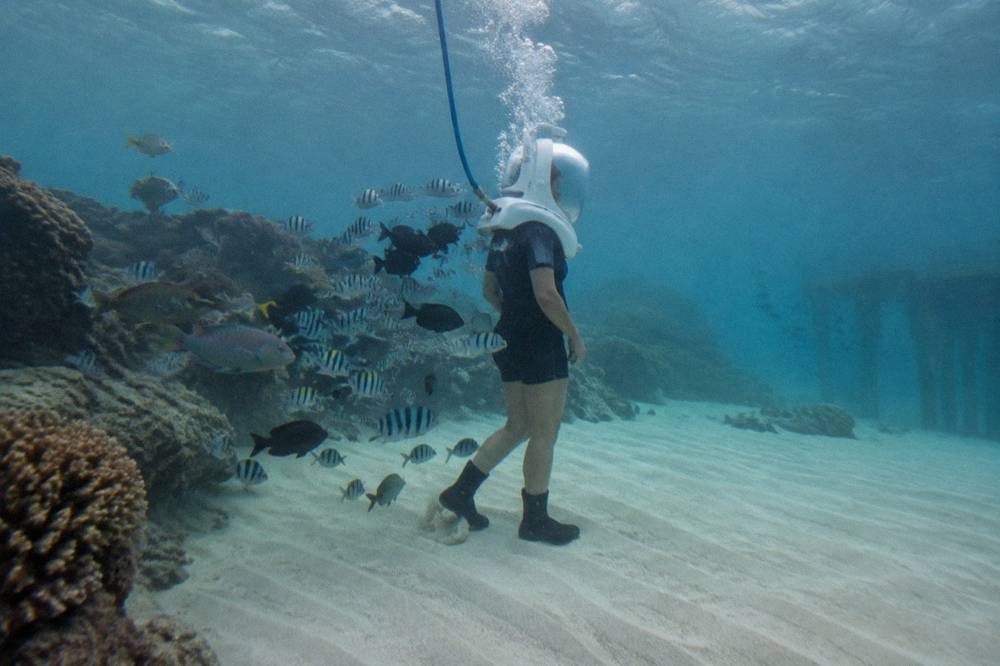
Safety on the day is layered. Crew brief every group before the ladder descent, participants stay in contact with the platform and rails, and the helmet's continuous airflow means no mouthpiece to manage. The marine park rules apply underwater as much as on land: Queensland Parks' discovery guide for the island is explicit that visitors must never touch or take plants or animals from land or sea, and that rule includes coral, turtles and fish. The helmet route is designed to keep walkers off the coral, and following the crew's directions is part of the session.
For kids, the practical questions are height and age minimums, which the operator sets and the tour description states. If a child is too small for the helmet, the glass bottom boat steps in as the usual family substitute, and the Discovery tour bundles it with the snorkel gear. Wary swimmers of any age can split the day too. Helmet dive in the morning, then the dry-land pleasures, Marineland among them, in the afternoon. The two activities make an odd but effective pairing, one wet and one dry, and between them they fill a full day without demanding that anyone swims a stroke.
What Else Is Near The Jetty And The Crocodile Park?
Near the jetty and the crocodile park you will find the snorkel area, the activity booking counters, the beach hire, the day visitor facilities and the walking track heads, all within a few minutes of where the ferries berth. Three easy graded walks start here too: the 500 m return jetty walk at about 30 minutes, the 1.3 km return rainforest boardwalk at about 50 minutes, and the 1.5 km beach circuit at about an hour.
Turtles are the island's quiet bonus. Queensland Parks says turtles live and feed in the seagrass beds around the island, and Queensland tourism and the resort describe green turtles as commonly sighted near the jetty and the seagrass, though any given day is anecdotal and no sighting can be promised. The jetty walk is the dry-land way to look for them, and the glass bottom boat is the sitting-down way. Dugongs also feed in the seagrass near the jetty according to the operator's reef fauna page, though they are shy and far from a certainty.
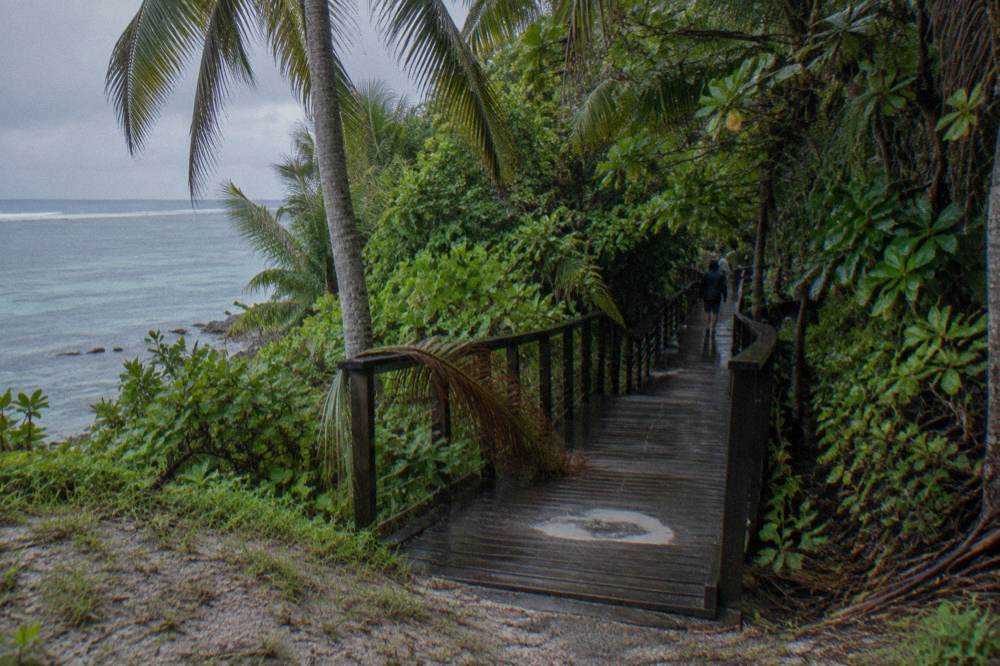
The rainforest is the surprise for first-time visitors. Green Island is a coral cay, built entirely by coral over roughly 6,000 years in the operator's phrasing, and its centre carries genuine vine-thicket rainforest rather than a token strip of trees. The boardwalk loops through it, and the Great Adventures listings include a self-guided eco trail plus a marine biologist reef talk and island walk exclusive to Great Adventures passengers, which is a real differentiator if natural history is your thing. Birdlife is part of the island, with pied imperial-pigeons among the notable nesters.
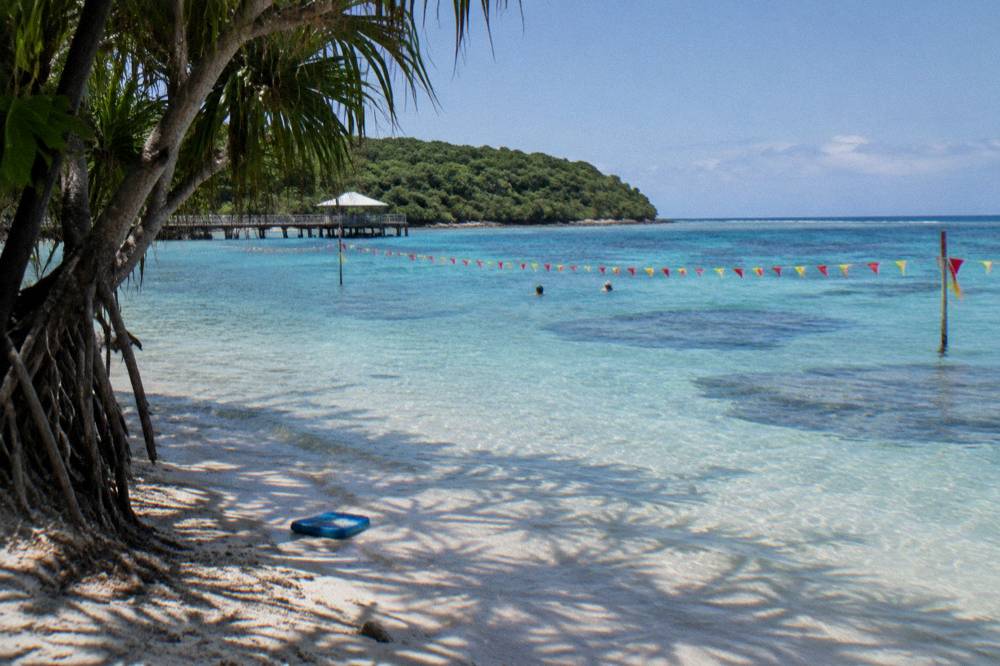
Costs at this end of the day are mostly optional. The walking tracks, the beaches and the day visitor facilities are free to use once you are on the island, and the site's guide to free things to do on Green Island lists what costs nothing. Paid extras cluster around the water: the glass bottom boat and snorkel hire at A$32 each on the operator's published fare list, the semi-submarine as an option on several Big Cat listings, and the helmet dive and dive options above them. Marineland's entry is paid separately at the gate, and its price is not published in the sources this site verifies, so check the park's own page before you go.
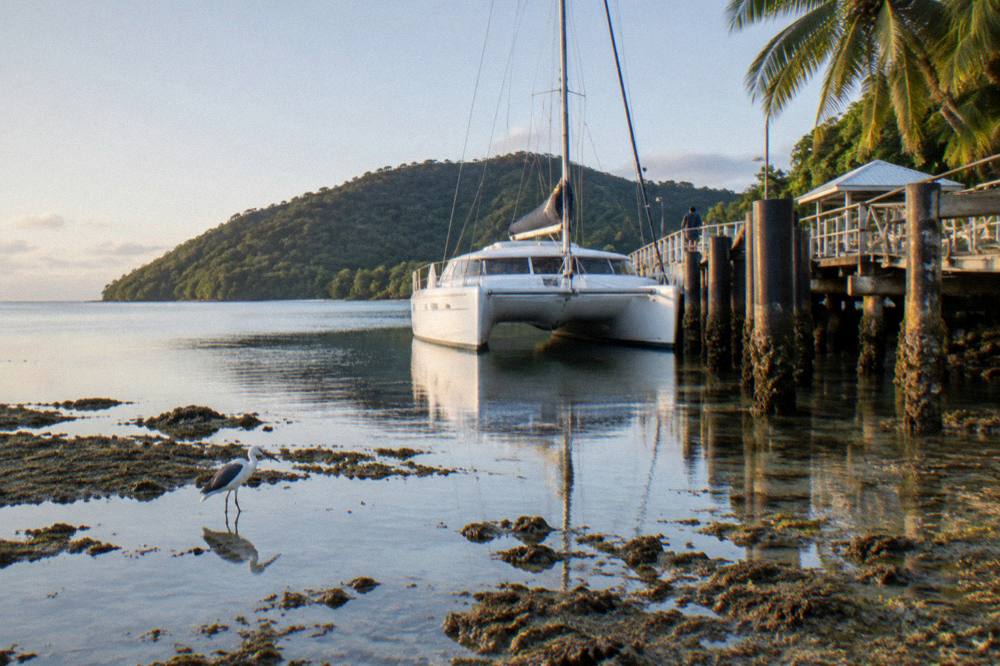
If the helmet dive has sold you on the underwater reef but you would rather roam than walk a platform, the Discovery tour is the natural upgrade from a plain cruise fare: it includes both the snorkelling equipment and the glass bottom boat tour, from A$156, with the island pool and a free beach bag thrown in. It is the listing most helmet divers compare against the A$289 package, and the honest summary is that the Discovery tour shows you more of the reef from the surface while the Seawalker puts you on the reef floor itself.
For travellers who want the simplest possible day at the lowest verified price, the plain Great Adventures catamaran fare from A$112 remains the baseline, and its 4.4 rating from 1,933 reviews makes it the most reviewed listing on the site. The helmet dive, Marineland's crocodiles and every other extra can then be added, or not, once you know what the island holds.
Common Questions About Seawalker And Marineland Melanesia
Do you need to swim to do the Seawalker helmet dive?
No. The operator describes the Seawalker as a no-swimming activity: you wear a sealed helmet with air supplied from the surface, descend a ladder and walk the reef floor with in-water crew supervising. It is the reef option most open to non-swimmers, subject to the operator's age and medical minimums, which the tour description sets out.
Is Marineland Melanesia included in a Green Island cruise ticket?
No. Marineland Melanesia is a separate attraction with its own entry fee paid at the gate, about a five minute walk from the jetty. No cruise listing on this site includes it. Its entry price is not published in the sources this site verifies, so check the park's own page before your visit.
What are the Marineland Melanesia show times?
The park's own site lists crocodile presentations at 10.30am and 1.30pm and turtle presentations at 10.20am and 1.20pm, with the park open 9am to 4pm every day except Christmas Day. An 8.30am sailing from Cairns arrives about 9.15am, in time for the morning sessions; the 10.30am sailing makes the afternoon pair.
How much does the Seawalker helmet dive cost?
As a full package with catamaran transfers, glass bottom boat or snorkel option and morning tea, the listing is from A$289 per person. As an island extra on a Great Adventures fare, the operator's published price list puts Seawalker at A$205 per person. A Big Cat transfer listing names a locally payable Seawalker price of AU$165, subject to availability.
Can you do the Seawalker and Marineland on the same day trip?
Yes. Both sit within a few minutes' walk of the jetty. A typical day takes the 8.30am sailing, the 10.30am crocodile show, a midday helmet session, lunch at an island outlet and the 2.30pm or 4.30pm return. Book the helmet session ahead, since sessions run to limited daily numbers, and build the shows around your slot.
Is the Seawalker suitable for children?
The Seawalker is pitched at non-swimmers, and the format suits children who meet the operator's minimum age and height requirements, which the operator sets and states on the live booking page. Children too small for the helmet are usually best matched with the glass bottom boat, which several of the Green Island tours compared here include as a choice with snorkel gear.