Why Is Cairns So Famous, And Is Green Island The Easiest Reef Day?
Cairns is famous as the gateway to two World Heritage areas, the Great Barrier Reef and the Wet Tropics rainforest, and Green Island, about 45 minutes offshore, is its shortest reef day trip.
Why Is Cairns So Famous, And Is Green Island The Easiest Reef Day?
Cairns is famous because it is the departure point for the Great Barrier Reef, sitting between two World Heritage areas with a marine harbour that sends fast catamarans, sailing schooners, dive boats and helicopters out to the coral every morning of the year. It is also the easiest place to sample that reef in a single day, because Green Island lies about 45 minutes offshore, the shortest scheduled crossing among the region's bookable tours.
That combination, a reef on one side and rainforest on the other, is rare anywhere on earth. Few tropical cities anywhere can claim a protected wet tropics mountain range at their back and a marine park the size of a small country at their front. Queensland Parks notes that Green Island itself, called Wunyami by the Gunggandji people, is a rainforest cay built entirely by coral, a coral island carrying actual rainforest, 27 km offshore from Cairns. The city's fame rests on access to exactly this kind of place.
The question that follows for most first-time visitors is practical rather than philosophical. Once you are in Cairns, what is the least complicated way to actually touch the reef? The short answer is a Green Island day cruise, and the rest of this article explains why, drawn from real bookable tours rather than tourism-brochure generalities. Sixteen tours run from Cairns to Green Island and the surrounding reef, and the pattern is consistent: the island crossings are the cheapest, shortest and most frequent departures you can book.
What Makes Cairns The Gateway To The Great Barrier Reef?
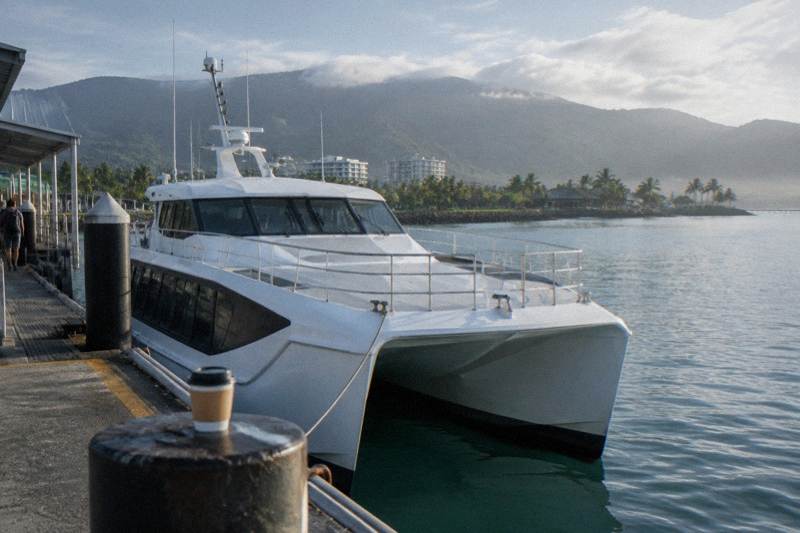
Cairns is the gateway because almost every commercial reef experience in the region, from ferry-only island crossings to outer-reef pontoons and dive trips, departs from the one terminal precinct at 1 Spence Street. The Great Adventures catamaran, the Big Cat fleet and the Ocean Free schooner all leave from this single downtown address, which no other Australian city can match for reef access.
The Reef Fleet Terminal and the adjoining Marlin Wharf concentrate the industry. Great Adventures checks passengers in inside the Reef Fleet Terminal and departs at 8:30am and 10:30am, with island returns at 2:30pm and 4:30pm and boarding open thirty minutes before departure. Big Cat checks its passengers in directly at its vessels at Marlin Wharf, a short walk along the marina. Two operators, one precinct, and a visitor staying anywhere in the city centre can walk to both. The Reef Fleet Terminal guide on this site covers parking, check-in counters and transfer times in detail.
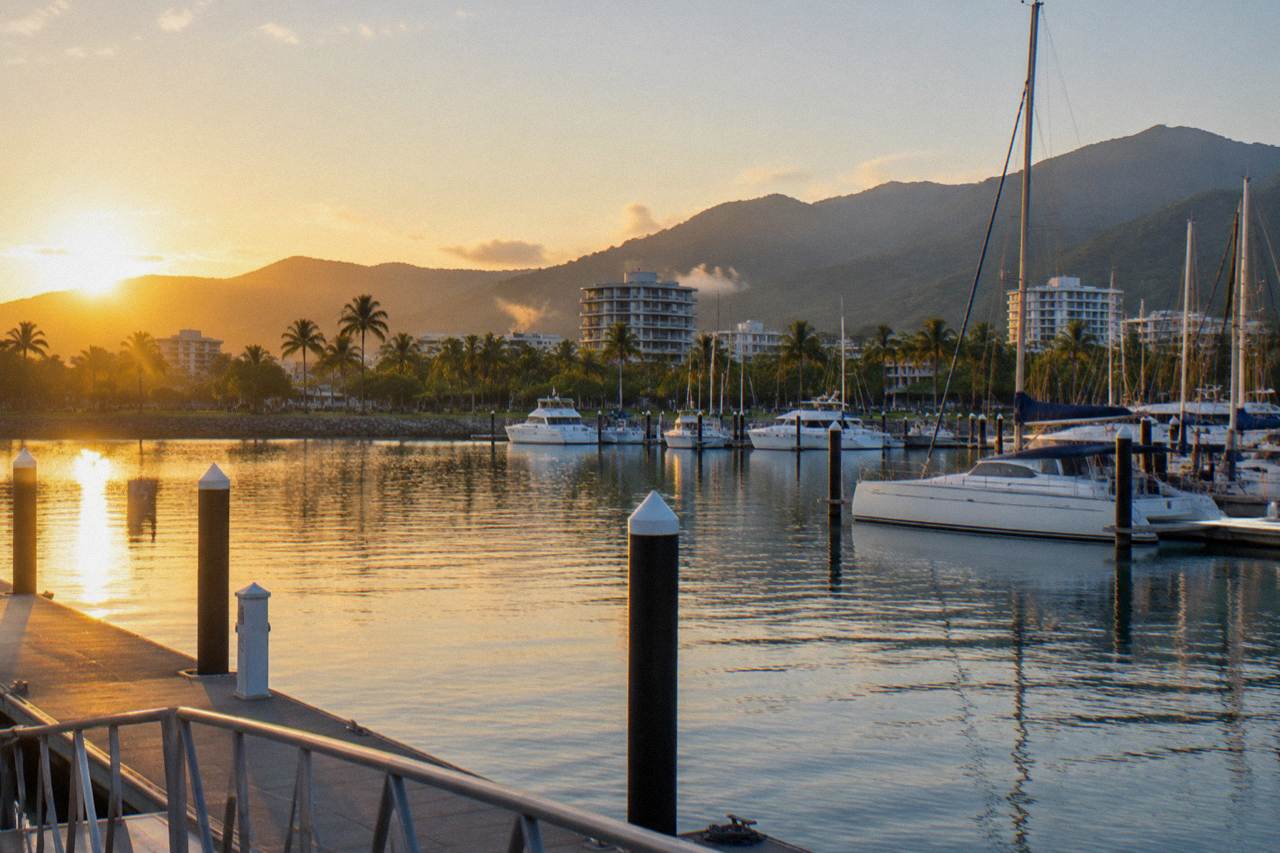
Fame also compounds. The Great Barrier Reef is one of the most recognised natural destinations on the planet, and its visitors have to arrive somewhere. Cairns, with its international airport about 10 to 15 minutes by road from the terminal, is that somewhere for the northern reef. The city's esplanade lagoon, night markets and reef-adjacent hotel stock all grew from the same root: the boats leave from here.
There is a second, quieter reason the city is known. Beyond the reef, the Wet Tropics of Queensland World Heritage Area rises immediately behind Cairns, and the same holiday can reasonably include a coral cay in the morning and a rainforest boardwalk in the afternoon. Green Island compresses that promise into a single destination: the island is a national park with graded rainforest walks as well as a coral reef, so the ferry out covers both of the region's famous landscapes at once.
Is Green Island The Easiest Reef Day Of All?
That claim is worth testing against the Green Island tours compared here rather than asserting. "Easiest" in this case means three things: the shortest travel time, the lowest entry price and the fewest logistical decisions.
| Measure | Green Island day cruises | Outer reef pontoon days | Sailing tours |
|---|---|---|---|
| Cheapest tour price | from A$110 pp | from A$312 pp | from A$289 pp |
| Crossing time | about 45 minutes | about 90 minutes to Moore Reef | varies, full-day sail |
| Shortest duration | 4 hours (half day) | 8 hours | 9 hours |
| Swimming from a beach | yes, island foreshore | no, pontoon only | from the vessel |
| Non-swimmers catered for | glass-bottom boat, semi-sub, boardwalks | underwater observatory | glass-bottom options vary |
Every figure in that table comes from the Green Island tours compared here. The half-day Big Cat cruises, morning or afternoon, run four hours from A$110 per person, which makes a Green Island half day both the cheapest and the shortest reef experience a visitor can book in Cairns. Nothing else among these options gets a person onto an actual Great Barrier Reef island for less, or in less time.
How Close Is Green Island To Cairns?
Green Island sits 27 km offshore from Cairns, and the fast catamaran crossing takes approximately 45 minutes each way on both major operators, Great Adventures and Big Cat. That is roughly half the travel time of the outer-reef pontoon trips, which cruise about 90 minutes to reach Moore Reef, and it is the reason the island anchors the region's half-day market.
Distance alone does not tell the story; frequency does. Great Adventures runs the 8:30am and 10:30am departures with 2:30pm and 4:30pm returns, giving a full-day passenger up to about seven hours on the island. Big Cat runs a 9am and an 11am full day plus morning and afternoon half days. Between the two operators there are enough sailings that a visitor who sleeps in, or whose morning flight lands late, still has water under the hull before lunch. The later-start Big Cat full day exists precisely for this market, departing 11am and returning around 5pm.
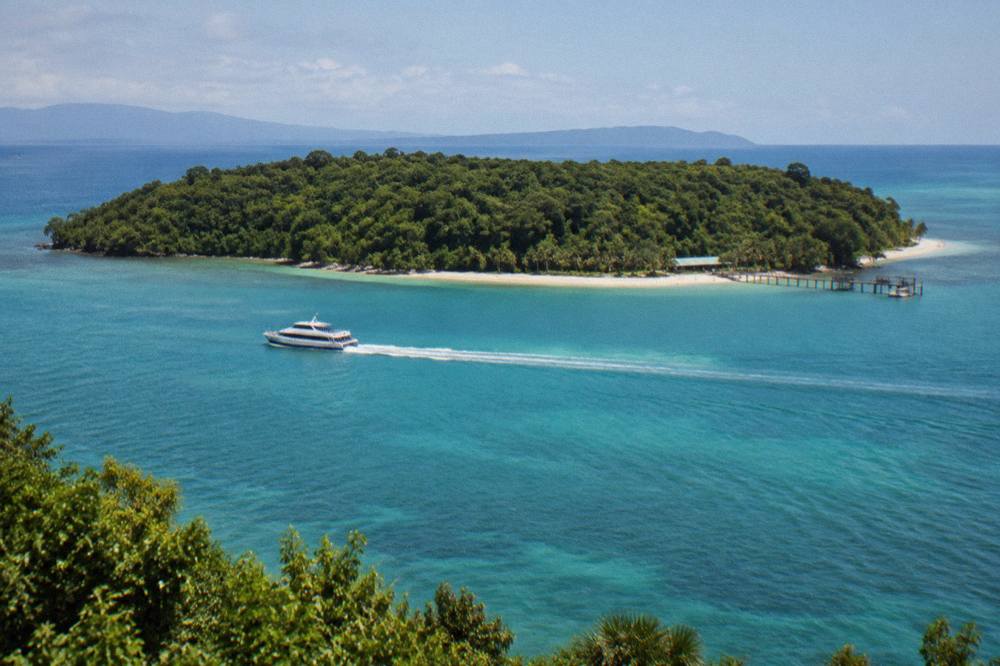
The island's position inside the Great Barrier Reef lagoon also matters for comfort. The crossing is sheltered compared with open-water passage to the outer reef, which is why the island trips are the ones recommended to nervous sailors and families with small children. The seasickness advice in this site's blog covers the practical steps, but the short, sheltered crossing is itself the biggest mitigating factor.
What Can You Do On A Green Island Day Trip?
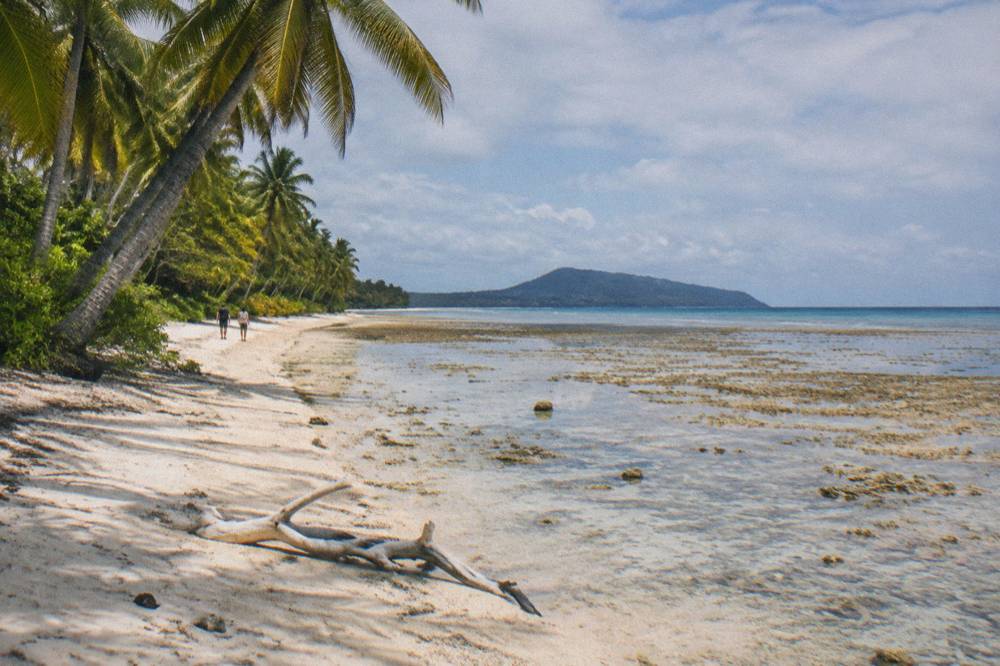
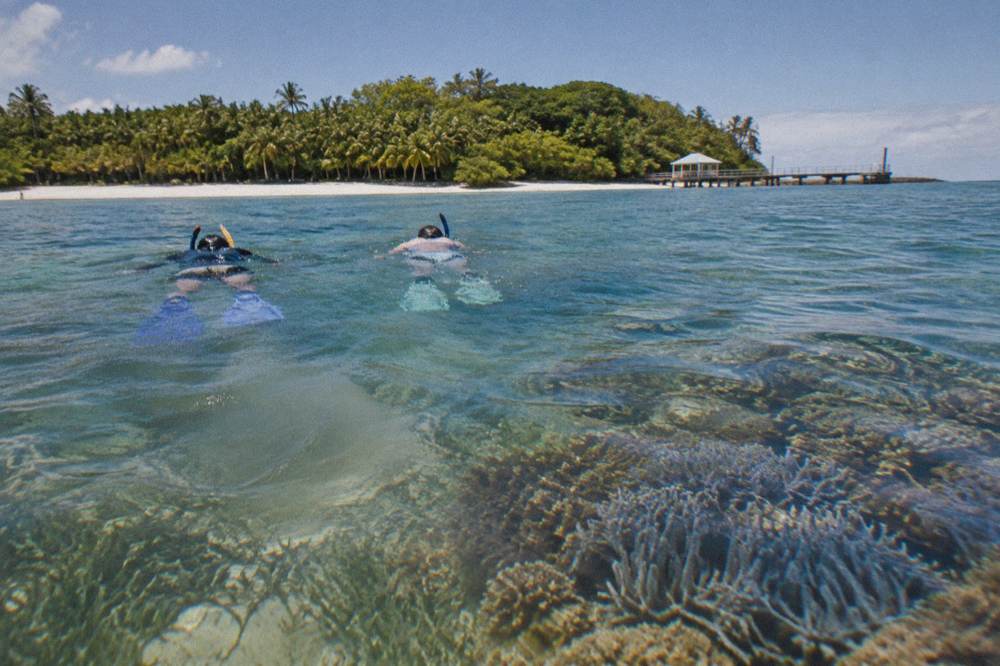
A Green Island day offers snorkelling off the beach, a glass-bottom boat or semi-submarine coral tour, rainforest boardwalks, a crocodile and turtle attraction, and optional extras from Seawalker helmet dives to introductory scuba, all reachable without ever moving your base. The cheapest listings include a snorkel or glass-bottom choice from A$110 per person, and the busiest listing on the island, the Great Adventures catamaran, carries 4.4 stars from 1,933 reviews.
The core activities split into three groups. On the water, there is snorkelling in the designated zone, the glass-bottom boat and the semi-submarine. On land, there are the national park walks: the beach walk at 1.5 km, the boardwalk at 1.3 km return and the jetty walk at 500 m return, all graded easy and all usable in a half day. Under the surface but dry, the Seawalker helmet dive lets non-swimmers walk the reef floor, from A$289 per person including the cruise and a glass-bottom or snorkel option.
The wildlife side of the island is a genuine part of its pull. Queensland Parks says turtles live and feed in the seagrass beds around the island, and visitor reviews regularly report seeing them from the jetty and in the water, though no honest page can promise a sighting on any given day. Marineland Melanesia, a five-minute stroll from the jetty, keeps up to fifteen crocodiles and runs wildlife shows at 10:30am and 1:30pm daily, open 9am to 4pm except Christmas Day. Entry is paid separately on the island.
| Activity | Included in base fare? | Typical extra cost where listed |
|---|---|---|
| Snorkelling from the beach | On most cruise-plus-option fares | Gear hire A$32 with Great Adventures |
| Glass-bottom boat | Choice option on most cruises | A$32 as an island extra with Great Adventures |
| Semi-submarine | Only on selected Big Cat options | payable locally on some listings |
| Seawalker helmet dive | No, bookable tour | tour from A$289 pp including cruise |
| Introductory scuba | No, bookable tour | operator-listed dive tour from A$250 pp |
| Rainforest boardwalks | Free, national park tracks | none |
| Marineland Melanesia | No | paid on island, price not published online |
The pattern to notice is that the island stacks choices without stacking travel. A passenger on the Great Adventures Discovery-style listing can snorkel in the morning, walk the boardwalk at midday and take the glass-bottom boat in the afternoon without once reboarding a vessel or re-checking in anywhere. That is the practical meaning of "easiest reef day", and it is why the full day trip guide on this site treats the island as the default first reef experience for Cairns visitors.
For travellers who want the island plus something more ambitious, the Green Island tours compared here include purpose-built hybrids. The Green Island and outer reef pontoon combo spends two hours at Green Island and three hours at a Moore Reef activity platform with a hot and cold buffet lunch, from A$312 per person, rated 4.6 from 98 reviews. The two-islands day pairs Green Island with Fitzroy Island in a single 8-hour itinerary from A$196 per person. These exist because the island crossing is so short that operators can bolt other experiences onto the same day.
Why Do Visitors Choose Cairns Over Other Reef Towns?
Visitors choose Cairns over Airlie Beach, Port Douglas and the Whitsundays because it combines an international airport, the widest range of bookable reef tours from a single terminal, and the lowest entry price for a reef day, with Green Island cruises from A$110 per person against options compared here that top out at A$429 for a fly-and-cruise package. No other reef town puts a coral island 45 minutes from a city-centre marina.
The range argument is the strong one. The Green Island tours compared here cover sixteen distinct products: nine day cruises, an island-plus-pontoon combo, a two-islands day, a fly-and-cruise package, two sailing options and three dive or helmet experiences. Seven thousand two hundred and seventy-two traveller reviews sit across those sixteen tours. Port Douglas is closer to some outer-reef sites but has a far thinner schedule of island options; Airlie Beach is famous for the Whitsunday islands rather than reef platforms and adds hours of travel from Cairns.
Price matters just as much. The cheapest Green Island listings undercut the cheapest full-day outer-reef experiences by a wide margin, which makes Cairns the place where a budget traveller, a family or a time-poor stopover visitor can still get onto the Great Barrier Reef at all. The cost breakdown for a Green Island trip runs the full numbers, including the Environmental Management Charge, A$8.50 per person for a full-day passenger, which the Great Adventures fares page confirms is included in its fare price.
There is also the flight-and-reef combination, which only a gateway city can sell. The fly-and-cruise package pairs a 40-minute Reef Hopper scenic flight with guaranteed window seats and a full Big Cat island day including buffet lunch, from A$429 per person. It is the most expensive of the Green Island tours compared here precisely because it sells the two things Cairns is famous for, aerial reef views and a coral island landing, in a single bookable day. A visitor based anywhere else in tropical north Queensland cannot assemble that itinerary before lunch.
What Does A Cairns Reef Holiday Actually Cost Per Day?
A single reef day from Cairns runs from A$110 per person for a Big Cat half or full day to A$429 for the fly-and-cruise package, with the most-reviewed option, the Great Adventures catamaran, from A$112. Add-ons are where budgets move: buffet lunch where not included, and island extras like the glass-bottom boat at A$32 as a standalone Great Adventures add-on.
The honest budgeting approach treats the ticket price as the floor, not the total. Several listings include lunch, notably the pontoon combo with its hot and cold buffet and the fly-and-cruise package; several others, including the Big Cat base fares and the Great Adventures half-day listing, sell food on the day. The island's own outlets span a lunch combo at Emeralds Restaurant through to the Canopy Grill and the Lite Bites Cafe, so nobody goes hungry, but a family of four should budget for it rather than assume it.
| Listing | Price from | Rating and reviews | Duration | Lunch |
|---|---|---|---|---|
| Big Cat full day | A$110 pp | 4.5 from 1,727 | 8 hours | optional extra |
| Great Adventures catamaran | A$112 pp | 4.4 from 1,933 | 5 to 9 hours | buy on island |
| Great Adventures snorkel and glass-bottom | A$156 pp | 4.2 from 410 | 7 hours | not included |
| Big Cat with city transfers | A$157 pp | 4.5 from 23 | 8 hours | optional buffet |
| Green Island and outer reef combo | A$312 pp | 4.6 from 98 | 8 hours | buffet included |
| Fly and cruise package | A$429 pp | 4.4 from 127 | 9.5 hours | buffet included |
Two rows in that table reward a closer look. The transfer options, city hotels from A$157 and Northern Beaches from A$167, are the only tours here that include hotel pickup, and for visitors staying well away from the CBD that convenience is worth the premium over the A$110 base fare. The sailing option deserves its own mention: the Ocean Free schooner, 4.9 from 682 reviews, is the highest-rated tour on this site, a small-group 9-hour sail from A$289 per person with lunch and a complimentary glass of wine on the run home.
Is Cairns Worth Visiting Outside Peak Season?
Cairns is worth visiting year-round because the reef boats run daily in every month, but the experience differs: the dry season from roughly May to October brings the lowest rainfall, July averaging just 33.2 mm against 437.5 mm in February, while the November-to-April cyclone season and the November-to-June stinger season require suits and flexible plans. Green Island trips run through all of it.
The Bureau of Meteorology's Cairns averages make the pattern plain. Rainfall falls from a summer peak of 437.5 mm in February to below 50 mm across June through September, with the driest month, August, averaging just 26.5 mm, and those months are when the region's famous dry-season clarity talk has substance. The trade-off is crowds and peak pricing. The shoulder months, April, May, October and November, split the difference, and October in particular sits before the official 1 November start of both the cyclone season and the highest stinger risk, while sharing the dry season's lower rainfall.
Stingers deserve the honest treatment this site gives them elsewhere. Cairns Regional Council flags marine stingers as of particular concern between November and June, and Queensland Parks warns they may be present in any month, so there is no honestly stinger-free month to sell. Operators supply suits on the tours that state it, and the stinger season guide covers suit supply listing by listing. None of this stops the boats; it just changes what you wear in the water.
Reef health is the other seasonal question, and the official picture is more encouraging than the headlines. The Australian Institute of Marine Science reported in its 2025/26 survey summary that average hard coral cover in the Northern Great Barrier Reef reached 35.1 percent, up from 30.0 percent the previous year and above the long-term average of 27.0 percent. The same report records a regional bleaching event in the Northern Management Region after a hot March, and Cyclone Narelle crossed the Far North that same month, so the recovery story is real but not frictionless. GBRMPA's latest reef health update puts sea surface temperatures close to average heading into spring. These are region-wide numbers, not Green Island measurements, and any page claiming island-specific coral statistics is guessing. For a closer look at what those region-wide trends mean for the coral you will actually swim over, our explainer on Green Island reef health is the place to start.
The one date worth flagging for 2026 and 2027 visitors: the new Turtle Rehabilitation Centre on Green Island turned its ceremonial first sod in April 2026 and is expected to be operational by December 2026. It is not open yet, and a day trip today cannot visit it. When it opens it will add tanks and daily educational talks to an island whose turtle story is already one of its strongest draws, funded in part by a A$600,000 Queensland Government investment on land provided by the Quicksilver Group.
So Is Green Island The Right First Reef Day For You?
Green Island is the right first reef day if you value short crossings, low base prices and mixed activities over outer-reef remoteness; it is the wrong choice if open-water coral gardens are your single goal, in which case the pontoon combo or a dedicated outer-reef trip serves you better. The island wins on ease, the outer reef wins on spectacle, and the combo listing sells both in one day.
Put simply, the island suits four kinds of traveller. Time-poor visitors on a one-night Cairns stopover can book a half day and still see rainforest, coral and possibly a turtle. Families with small children get a beach, easy walks and a swimming option in one compact place. Nervous swimmers get glass-bottom boats, a semi-submarine and the Seawalker helmet dive, which needs no swimming ability at all. Budget travellers get onto the World Heritage marine park for A$110, a figure no outer-reef operator in Cairns matches.
The island is weaker for one group: certified divers and visitors who want the outer reef's open-water coral walls. Green Island's diving is introductory in character, while the pontoon days and dedicated outer-reef operators serve that market. The honest framing, which this site's island versus outer reef comparison sets out fully, is that the two are different products, not rivals on one ladder of quality. Green Island Great Barrier Reef Tours exists as a site precisely because the island question comes up that often.
Every one of the sixteen Green Island tours compared here carries free cancellation, which matters in a cyclone-season region where a forecast can turn. The Great Adventures catamaran, this article's featured tour, Check availability alongside the detailed tour page, is the most-reviewed way to make the crossing, and the listing states free cancellation plainly.
Common Questions About Why Cairns Is Famous
Why Is Cairns So Famous, And Is Green Island The Easiest Reef Day?
Cairns is famous as the gateway city to the Great Barrier Reef and the Wet Tropics rainforest, with every major reef tour departing from the terminal precinct at 1 Spence Street. Green Island is the easiest reef day because the catamaran crossing takes about 45 minutes, half-day fares start at A$110 per person, and the island combines snorkelling, rainforest walks and coral-viewing boats in one stop.
How far is Green Island from Cairns?
Green Island lies 27 km offshore from Cairns, and the fast catamaran crossing takes approximately 45 minutes each way with both Great Adventures and Big Cat. Great Adventures departs at 8:30am and 10:30am with returns at 2:30pm and 4:30pm, while Big Cat runs 9am and 11am full days plus half-day sailings.
Can you visit Green Island without booking a tour?
You can reach Green Island on a ferry-only fare, which the Great Adventures listing offers as a cruise-only option, and then arrange activities on the island yourself. The rainforest walks in the national park are free, and gear hire and boat tours can be paid for on the island. The full ferry and ticket picture is covered in this site's ferry times and tickets guide.
Is Green Island or the outer reef better?
Neither is better on every measure. Green Island wins on price, crossing time and variety of non-swimming activities, while the outer reef pontoons offer open-water coral gardens and longer in-water time. The Green Island and outer reef combo listing from A$312 per person spends two hours at the island and three hours at a Moore Reef platform, covering both in one day.
What is the cheapest way to get from Cairns to the reef?
The cheapest reef day among the Green Island tours compared here is a Big Cat Green Island cruise, full day or half day, from A$110 per person, choosing the snorkel or glass-bottom option. The Great Adventures catamaran follows at A$112. Both operators depart from the Cairns marina precinct, and free cancellation applies to both options.
When is the best time to visit Cairns for a reef trip?
The dry season, roughly May to October, brings the lowest rainfall, with July averaging just 33.2 mm against 437.5 mm in February, and reef boats run daily year-round. Marine stingers are of particular concern from November to June and may be present in any month, so suits are worn in the warmer half of the year rather than trips being cancelled.