Are There Sea Turtles On Green Island?
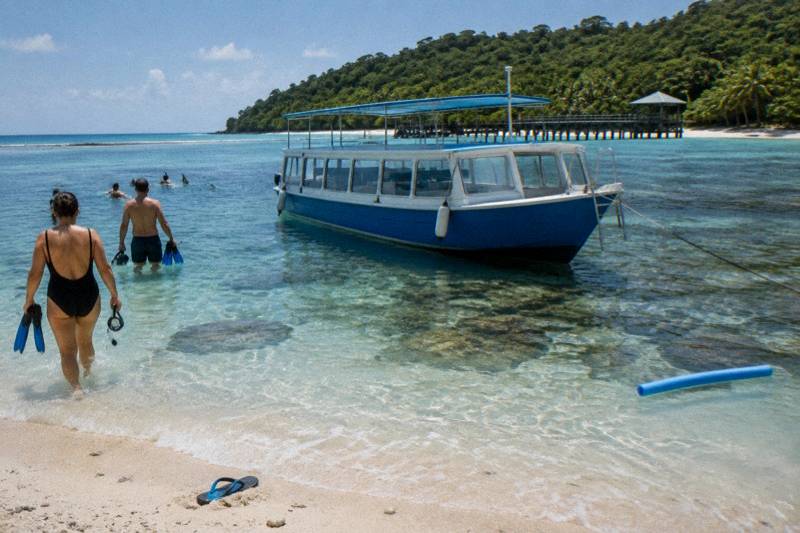
Green sea turtles and hawksbill turtles feed in the seagrass and reef around Green Island, and Queensland tourism and the resort describe them as commonly sighted near the jetty. Here is what to realistically expect.
Are There Sea Turtles On Green Island?
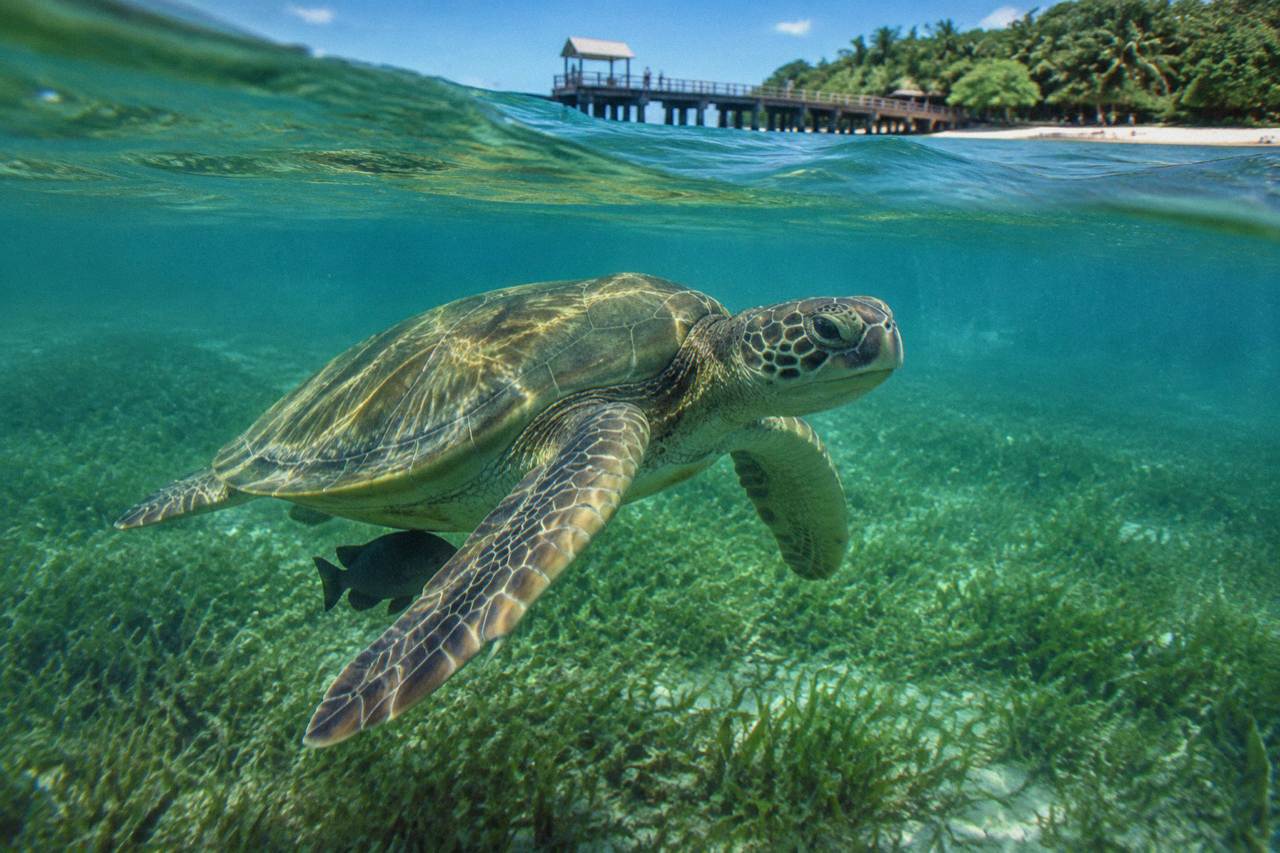
Green Island sits 27 km offshore from Cairns, surrounded by the coral reef and seagrass beds that green turtles and hawksbill turtles feed in, and Queensland's own park service says turtles live and feed in the seagrass right there. That single sentence is the short answer to the question almost every visitor asks before booking, and it is one of the main reasons the island has built a reputation as a turtle spot so close to a major city. The long answer involves where to look, what the rules are, and how to keep expectations honest, because a wild animal never runs to a schedule.
Queensland Parks, the island's resort and the region's tourism bodies all describe green turtles as commonly sighted around the jetty, the beach and the seagrass meadows, sometimes with several individuals visible in a single visit. Guest reviews from 2026 trips report turtles from the pier, from glass-bottom boats and in the water while snorkelling. None of that is a guarantee, and no honest page will tell you that you will see one. What it does mean is that Green Island is one of the few Great Barrier Reef destinations where a turtle sighting is a realistic expectation rather than a lucky fluke, and where you do not need to travel to the outer reef to be in with a genuine chance.
If a turtle encounter is the point of your day, the practical decision is simply how much time you give yourself. The Big Cat full day cruise, the Great Adventures catamaran and the Great Adventures Discovery tour, which bundles snorkelling and a glass-bottom boat ride, all put you on the island with hours to spare.
Are There Sea Turtles On Green Island?
Yes, two resident species feed around Green Island year round: green turtles and hawksbill turtles. Queensland Parks confirms that turtles live and feed in the seagrass beds surrounding the island, and both the resort and Queensland tourism describe sightings from the jetty, the beach and the water as common. A sighting is never guaranteed, because these are wild animals, but the habitat that supports them sits literally on the island's doorstep.
The green turtle is the one most people picture, a large, calm swimmer that grazes seagrass in the shallow beds off the island. The hawksbill is smaller, with a distinctive saw-like beak, and the Queensland Parks and Wildlife Service notes it uses the surrounding reef and seagrass meadows as a feeding ground throughout the year. Both species are listed as vulnerable, which is exactly why the marine park rules around the island are strict, and why the island's tourism pitch leans on watching rather than interacting.
What makes Green Island unusual is the geography. Most turtle sightings on the Great Barrier Reef require a boat ride to an outer reef pontoon or a remote cay. At Green Island the seagrass beds sit within easy sight of the jetty, and visitors regularly report turtles from dry land without ever getting wet. Reviews from 2026 trips mention watching them surface near the pier, spotting them from a glass-bottom boat, and swimming near them in the marked snorkel area. Anecdotal reports vary day to day, as they always will with wild animals, but the pattern across months of reviews is consistent enough to plan around.
It is worth being direct about the flip side. A quiet day is possible. Wind, tide, boat traffic and simple animal behaviour all affect whether turtles are where you are looking, and no operator on the island promises a sighting, because a promise like that would be false. The fair framing, and the one the operators themselves use, is that turtles are expected rather than rare: you go to Green Island with a real chance, not a certainty, and a day that includes a turtle is a good day rather than the only acceptable outcome.
Where Are Turtles Most Often Seen Around The Island?
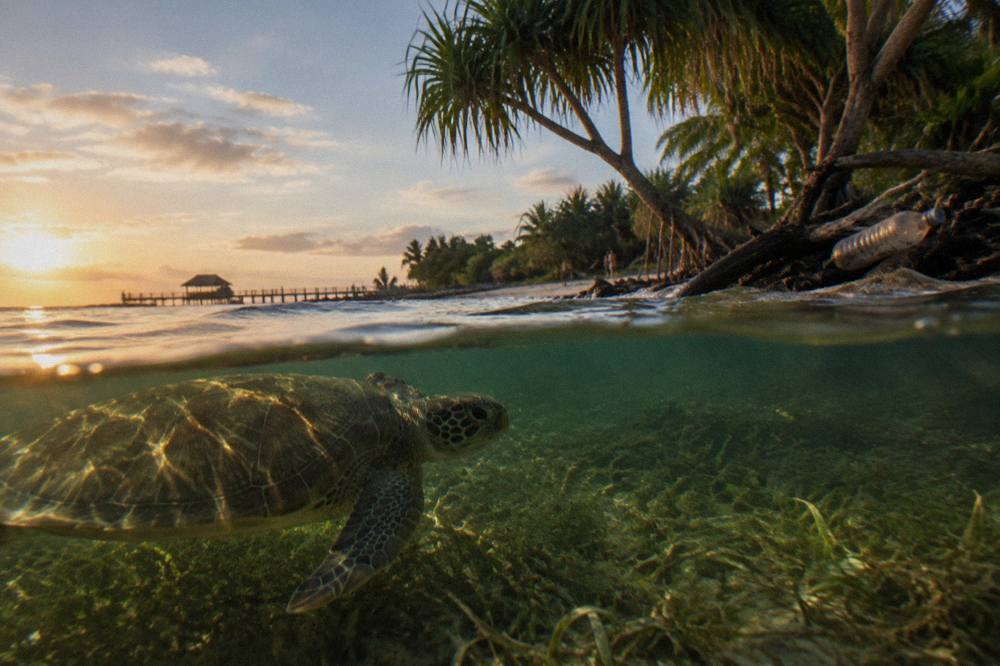
The jetty and the seagrass beds near it are the spots most consistently named. Queensland tourism and the island's resort describe green turtles as commonly sighted near the jetty and in the seagrass, and guest reviews from 2026 trips repeatedly mention watching them from the pier itself. The patrolled swimming area and the water around the jetty piles are the other reliable places to look, both from the sand and while snorkelling.
The jetty works for a simple reason: turtles breathe air, so they surface regularly, and the deeper water beside the jetty gives them a corridor to move between feeding areas. Visitors standing on the pier looking down into the clear water beside the piles have one of the best dry-land vantage points on the island. Several minutes of patient watching, especially in the quieter parts of the day, is often rewarded with a head surfacing or the slow shadow of a shell moving below. It costs nothing, which is why it features in our piece on free things to do on Green Island.
The seagrass beds are the feeding tables. Green turtles graze seagrass, which is why the habitat itself is the draw: so long as the meadows stay healthy, the turtles keep coming back to them. Snorkellers in the marked area between the red and yellow flags, the zone Queensland Parks' own guide points snorkellers to, sometimes find themselves sharing the water with a grazing turtle, and the resort's snorkelling notes single out the jetty end as rewarding for exactly that reason.
Boat-based viewing rounds it out. The glass-bottom boat and semi-submersible tours run over reef and sand flats where turtles travel, and reviews from 2026 trips mention turtles seen through the glass. If you want the details of those rides, including how they compare, the glass-bottom boat and semi-submarine guide covers them fully. The one place not to expect close turtle action is mid-beach in the shallows at peak swimming hour: turtles avoid crowded, noisy water, which is a hint in itself about how to behave when you do find one.
| Where to look | Dry land or in the water | Why turtles are there | Typical reports |
|---|---|---|---|
| Jetty and jetty piles | Both | Deep-water corridor beside a feeding area | Surface sightings from the pier, shadows below |
| Seagrass beds near the jetty | In the water while snorkelling | Green turtles graze seagrass here | Snorkellers sharing the water with feeding turtles |
| Marked snorkel area between the flags | In the water | Patrolled zone adjacent to reef and grass | Occasional close passes while snorkelling |
| Glass-bottom boat and semi-sub routes | From a boat | Routes cross reef flats and turtle travel lines | Turtles seen through the viewing glass |
Which Turtle Species Live Around Green Island?
Two species are documented: the green turtle, which grazes the island's seagrass beds, and the hawksbill turtle, which Queensland Parks notes feeds around the reef and seagrass year round. Both are vulnerable species, protected by the same marine park rules that cover everything else in Green Island's waters. Dugongs also feed on the seagrass near the jetty, according to Queensland's tourism body and the island's own site, though they are far harder to see.
The green turtle, Chelonia mydas, is the island's signature animal. Adults are genuinely large, often bigger than people expect, and they spend much of the day grazing seagrass or resting on the reef. Their air-breathing habit is what makes them visible: a turtle that stayed deep would be almost invisible, but every surfacing is a chance for someone standing on the jetty to catch it. The hawksbill, Eretmochelys imbricata, is more reef-oriented, feeding on sponges and other invertebrates among the coral, and it is the shyer of the two. The Queensland Parks page for the island's culture and natural history is the primary source for both species' presence, and it is worth reading before a visit: Queensland Parks' Green Island pages.
The dugong deserves a mention because it surprises people. Queensland's tourism site and the island's own reef fauna page both note that dugongs feed on the seagrass near the jetty. They are shy, blurs of a different order from turtles, and almost nobody photographs one from the pier, but knowing the meadows support them tells you how substantial that habitat is. Rays and reef sharks also appear in 2026 visitor reviews from the jetty and from snorkel trips, alongside the parrotfish, butterflyfish and wrasse that make the reef fish life around the bommies so easy to enjoy.
| Species | What it does around the island | How often it is described | Status |
|---|---|---|---|
| Green turtle | Grazes seagrass, surfaces to breathe near the jetty | Commonly sighted, per Queensland tourism and the resort | Vulnerable |
| Hawksbill turtle | Feeds on reef and seagrass meadows year round | Present year round, shyer than the green turtle | Vulnerable |
| Dugong | Feeds on seagrass near the jetty | Noted by Queensland tourism, rarely seen | Protected |
| Reef sharks and rays | Travel the reef flats and sand near the jetty | Regularly mentioned in 2026 guest reviews | Protected in marine park zones |
Can You Snorkel With Turtles At Green Island?
Yes, and snorkelling is the most immersive way to do it. Queensland Parks' island guide directs snorkellers to swim between the red and yellow flags, and the water around the jetty end of that zone is where the resort's own notes say turtle encounters are most rewarding. Gear comes with most tours: the Big Cat fares include snorkel equipment or a glass-bottom boat ride, and the Great Adventures Discovery tour includes both snorkel gear and the boat tour.
The technique matters less than the etiquette. Turtles at Green Island are used to people at a distance and wary of people up close, so the snorkeller who floats still and lets a grazing animal continue its meal sees far more than the one who swims at it. A turtle that feels crowded dives, and the encounter ends for everyone nearby. The marine park's responsible reef practices are explicit about this: no touching, no chasing and no blocking an animal's path, and the Great Barrier Reef Marine Park Authority sets out the detail at its responsible reef practices page.
Timing helps too. Reviews and operator notes both point to mornings and the quieter ends of the day, when boat traffic is lighter and the water is calmer. On a full day ticket you have the luxury of snorkelling early, watching from the jetty over lunch, and going back in during the afternoon. That is the structural advantage of the full day Big Cat product, roughly five and a half hours on the island against four on a half day ticket, and it is the single biggest lever a turtle-focused visitor can pull.
For anyone who wants the water time without the self-propulsion, the glass-bottom boat covers similar territory dry, and for anyone who wants a completely different angle on the same reef, the Seawalker helmet dive and the introductory scuba options get you below the surface with gear supplied. The wider snorkelling picture, including what the island's inshore reef is genuinely like compared with the outer reef, is covered in the Green Island snorkelling guide, and the deeper dive choices sit in the intro dive and scuba guide.
What Are The Rules For Watching Turtles Responsibly?
No touching, no feeding, no chasing and no standing on coral, and that applies to turtles, rays, fish and the reef itself. Green Island's waters sit inside the Great Barrier Reef Marine Park, largely as no-take zones, and Queensland Parks' island guide adds two more rules that matter: stay on the marked tracks on land, and snorkel between the red and yellow flags. Drones are not permitted on the island.
These rules are not etiquette suggestions. The no-take zoning means nothing can be removed from the water, fish feeding is banned because it disrupts natural behaviour, and touching a turtle is both illegal and harmful: turtle skin and shells carry protective layers that human hands damage. The flag rule exists for swimmer safety in a patrolled area, and the drone ban protects the bird life of a national park that supports dozens of species. Queensland Parks publishes the full set in its Green Island discovery guide, and the authority's responsible-practices page is the reference for in-water behaviour around wildlife.
In practice the rules make turtle watching better, not worse. A hands-off snorkeller drifting at the edge of a seagrass bed is treated by turtles as part of the scenery, and part of the scenery gets long, close, unhurried views. The visitor who reaches out or pursues gets one brief splash and a vanished animal. The same logic applies from the jetty: quiet watching beats leaning, shouting and pointing, and the pier's regular turtle viewers are noticeably patient people.
One more point deserves its own emphasis because it trips people up. Feeding fish, tempting as it looks when schools gather around the jetty, changes behaviour in ways that ripple through the whole system, including to the turtles that depend on undisturbed seagrass. The island's operators brief this on every tour, the signage repeats it, and the rules are the same whether you arrive on the Big Cat full day or the Great Adventures catamaran. Everyone watching by the same rules keeps the island's animals exactly where visitors hope to find them.
What Is The New Turtle Rehabilitation Centre On Green Island?
A dedicated turtle rehabilitation centre had its ceremonial first sod turned on Green Island in April 2026, funded in part by a A$600,000 Queensland Government investment and built on land provided by the Quicksilver Group. It is expected to be operational by December 2026. It is not open yet, and no honest page should describe it as a place a visitor can go today.
The centre is an expansion of the Cairns Turtle Rehabilitation Centre, the long-running volunteer operation that has treated sick and injured turtles from across the region for years. The Quicksilver Group, which owns Green Island Resort and the Great Adventures cruise operation, announced the project in April 2026, describing tanks, daily educational talks and a research role alongside the care function. For an island whose tourism identity is already built on turtles, a facility that treats them and teaches about them is a natural fit, and the land contribution from the resort's owner shows how tied the project is to the island itself.
The key caveat is timing. "Expected to be operational by December 2026" is a target, not an opening, and construction schedules slip. Anyone booking a Green Island trip in late 2026 or 2027 with the centre in mind should check the operator's news page for the current status rather than assuming, and the announcement itself is the primary source: the Quicksilver Group's announcement. Until it opens, the island's turtle story remains the wild one: the jetty, the seagrass and the marked snorkel area.
A related attraction already operating is Marineland Melanesia, a five minute stroll from the jetty, which runs turtle presentations at 10.20am and 1.20pm alongside its crocodile shows, open daily from 9am to 4pm except Christmas Day. It is a separate, paid attraction, and its details sit in the Marineland Melanesia and Seawalker guide. Between the wild turtles at the jetty, the presentations at Marineland and the rehabilitation centre on its way, Green Island's turtle credentials keep deepening, which is exactly why this question gets asked so often.
Which Green Island Tours Give You The Best Chance?
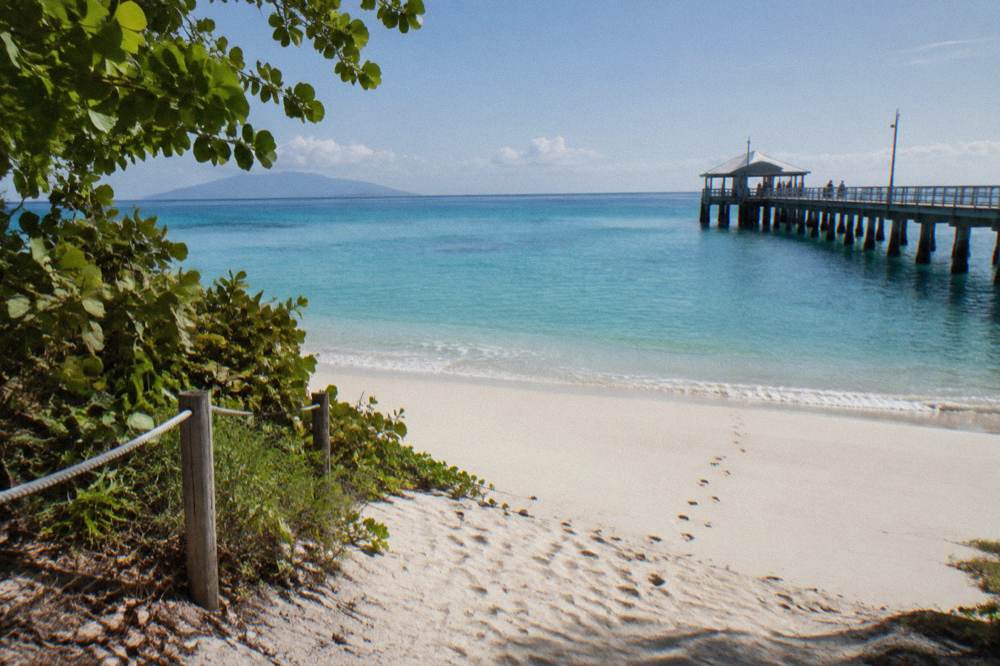
Every operator lands you at the same jetty beside the same seagrass, so the best tour is simply the one that buys you the most island time and puts you in or on the water. The Big Cat full day from A$110 delivers roughly five and a half hours on the island, while the Great Adventures Discovery tour from A$156 pairs snorkel gear with a glass-bottom boat ride, doubling your viewing methods.
Here are the tours that give you the best chance of seeing them. The full day products, the Big Cat full day and the Great Adventures catamaran full day, give the longest windows, and the Great Adventures option carries the most reviews of anything on the island, 4.4 from 1,933 reviews, with up to seven hours of leisure time on the island. The Discovery tour, 4.2 from 410 reviews and from A$156, is the strongest single choice for a turtle-focused day because it bundles the two best viewing platforms, snorkel and glass-bottom boat, into one fare. Half day tickets from A$110 still work, but they compress the patient jetty-watching time that so many sightings come from.
For a different pace entirely, the Ocean Free schooner day, 4.9 from 682 reviews and from A$289, sails to Green Island and the reef with a small group, lunch and a marine naturalist aboard, and its crew assist in the water. And for the visitor who wants turtles plus the outer reef in one day, the Moore Reef pontoon combo, 4.6 from 98 reviews and from A$312, splits the day between two hours at Green Island and three at an outer reef platform. There is no wrong answer among these; there is only the trade between island time, water time and budget, and the trip picker on our homepage at Green Island Great Barrier Reef Tours walks that choice in three questions.
| Tour | From price | Island or water time | Turtle-relevant strength | Rating and reviews |
|---|---|---|---|---|
| Big Cat full day | A$110 pp | Up to about 5.5 hours on the island | Longest budget window for jetty watching | 4.5 from 1,727 reviews |
| Great Adventures catamaran full day | A$112 pp | Up to 7 hours leisure time | Most reviewed product, marine biologist reef talk | 4.4 from 1,933 reviews |
| Great Adventures Discovery tour | A$156 pp | 7 hours | Snorkel gear and glass-bottom boat both included | 4.2 from 410 reviews |
| Ocean Free schooner day | A$289 pp | 9 hours total | Small group, crew in the water with you | 4.9 from 682 reviews |
| Green Island and outer reef combo | A$312 pp | 2 hours island, 3 hours pontoon | Turtles plus outer reef in one day | 4.6 from 98 reviews |
A final practical note on timing your booking. Turtle sightings are described as year round, so there is no month to chase and none to avoid for turtles specifically, but stinger season, November to June with the possibility in any month, changes what you wear in the water, and suits are supplied only where a listing says so. The stinger season and stinger suits guide covers that in full, and the weather and best time to visit guide handles the rest of the calendar. Book whichever day has the calmest forecast, take the longest ticket that fits your budget, and give the jetty a proper share of your patience.
Common Questions About Sea Turtles On Green Island
Are There Sea Turtles On Green Island?
Yes. Green turtles and hawksbill turtles live and feed around Green Island year round, and Queensland Parks, the resort and Queensland tourism all describe sightings near the jetty and seagrass as common. No sighting is ever guaranteed, but the habitat sits right on the island's doorstep.
Can you see turtles without snorkelling?
Often, yes. The jetty is the best dry-land vantage point, and reviews from 2026 trips regularly describe watching turtles surface from the pier. The glass-bottom boat tours also cross water where turtles travel.
When is the best time of day to see turtles at Green Island?
Mornings and the quieter ends of the day are most often recommended, when boat traffic is lighter and the water calmer. A full day ticket gives you several of these windows instead of one.
Can you touch or feed the turtles?
No. Green Island's waters are largely no-take marine park zone, and the rules prohibit touching, chasing or feeding any wildlife, including turtles. Hands-off watchers get longer and closer encounters than pursuers.
Is the Green Island Turtle Rehabilitation Centre open?
Not yet. The ceremonial first sod was turned in April 2026 and the centre is expected to be operational by December 2026, but it is a future target rather than a current attraction, so check the operator's news before planning a visit around it.
Do any tours promise a turtle sighting?
No, and any listing that did would be dishonest. Turtles are wild animals and a quiet day is always possible. The realistic approach is maximum island time, patience at the jetty and snorkelling in the marked area.